

 No. 1819, Renmin West Road, Cao'e Street, Shangyu District, Shaoxing City, Zhejiang Province, China

 English
 中文简体
中文简体 русский
 Español
 عربى
عربى
The 2ZX-230 two-row small low-fuel consumption hand-held transplanter is a high-performance machine ...

 2026.10.12
 Industry News
If you need the name before you need the specification sheet, here it is: the machine used to plant rice seedlings is a rice transplanter. In catalogs, customs paperwork and spare-parts lists it also appears as a paddy transplanter, a rice planting machine, or a rice planter. It does not scatter seed. It lifts a block of pre-grown seedlings out of a nursery mat and sets that block into puddled soil in straight rows, at a fixed depth and a fixed hill spacing, hundreds of times per minute.
The name changes completely if the seed goes straight into the field with no seedling raised. Then the machine is a rice seeder, also written as a direct seeder, a hill-drop seeder, or a direct seeding machine. These two families are mixed up in purchase inquiries almost every week, and the mix-up costs money. One machine needs a nursery, mat soil, trays and a 15 to 25 day seedling program. The other needs clean, level, moisture-controlled soil and a weed program that starts the same day the seed goes in.
Xiaojing Agricultural Machinery builds both families on one production site in Shangyu, Shaoxing, and the model codes make the difference readable before you open a single brochure. The table below lists the names you will meet, what each machine actually does, and the series each name belongs to.
| What the machine does | Names used in catalogs and documents | Planting principle | Xiaojing series |
|---|---|---|---|
| Sets raised seedlings into puddled soil | Rice transplanter, paddy transplanter, rice planting machine | Seedling mats lifted from a tray and pushed into the soil in rows | 2ZX walking, 2ZG riding |
| Plants seedlings with the operator walking behind | Walking rice transplanter, hand-operated transplanter, walk-behind planter | Ground-wheel drive links walking pace to planting frequency | 2ZX-230, 2ZX-430A, 2ZX-625, 2ZX-630, 2ZX-818 |
| Plants seedlings with the operator seated | Riding rice transplanter, high-speed transplanter, ride-on planter | Hydraulic or mechanical transmission keeps spacing fixed as speed rises | 2ZG-630, 2ZG-820, 2ZG-825Q, 2ZG-830X, 2ZG-1020, 2ZJ-430 |
| Sows seed directly into the field | Rice seeder, direct seeder, hill-drop seeder | Furrow opened, seed dropped in hills, soil closed over the seed | 2BDZ-1025 |
| Plants vegetable or tobacco seedlings | Vegetable transplanter, tobacco transplanter, seedling planter | Seedling picked from a tray and planted into a prepared bed | 2ZSG-240, 2ZSX-250, 2ZY-145 |
A model code is not decoration. It states the machine category, the working principle and the working width in a single string, and once you can read it you can compare offers from three suppliers in ten minutes without asking a single question. The leading 2 marks planting machinery. The letters that follow describe how the machine is driven and how it plants: ZX for walking, hand-supported transplanting, ZG for riding self-propelled transplanting, ZJ for riding machines using a different drive layout, BDZ for hill-drop direct seeding, ZS for vegetable transplanting, ZY for tobacco transplanting. The trailing figure is the number of rows planted in one pass.
So a 2ZG-630 is a riding rice transplanter planting six rows per pass, and a 2ZX-230 is a walking machine planting two rows per pass. That single digit changes everything downstream. With a common 30 cm row spacing, six rows cover a working width of about 1.8 m, and eight rows cover about 2.4 m. On a 100 m by 100 m field, a six-row machine needs roughly 56 passes plus headland turns, while a two-row machine needs roughly 167. Multiply the difference by the turning time at each end and you have the real reason one farm buys a riding machine and the neighbouring farm does not.
The same logic applies to the 2ZG-1020 ten-row model. A wider machine finishes the field sooner, but it also demands a larger, more level plot, wider bunds for turning and a stronger nursery program, because a ten-row machine empties seedling trays fast. The width you can feed is the width you should buy. Buying more rows than your nursery can supply simply moves the bottleneck from the field to the tray shed.
Planting faults almost never start at the engine. They start somewhere along a six-stage chain, and if you know the sequence you can find a skipped hill or a leaning seedling in a few minutes instead of a few hours. The chain runs from the seedling mat on the tray to the soil closing over the roots.
On walking machines the whole cycle is driven from the ground wheel, which is why walking pace and planting frequency cannot drift apart. On riding machines the transmission keeps the planting frequency proportional to travel speed so hill spacing stays constant whether the operator is moving at two kilometres per hour on a soft patch or at full working speed on firm ground. If the timing between arm and wheel is disturbed, by a slack chain or a worn bushing, the symptom appears as hills that gradually stretch apart or bunch together. Our step-by-step guide to how a rice transplanter works walks through each of these stages with the adjustment points marked, and it is worth reading before a season starts rather than in the middle of one.
Walking machines carry the operator behind the planting units, and the 2ZX-230 two-row small handheld rice transplanter is the model most often bought as a first step into mechanised planting. It fits through narrow bunds, it can be carried or rolled onto a plot where no access road exists, and it works in soft puddled soil that would bog down a heavier machine. Where farms are small, fragmented or rented in separate parcels, this is the machine that gets used every season instead of sitting under a tarpaulin.
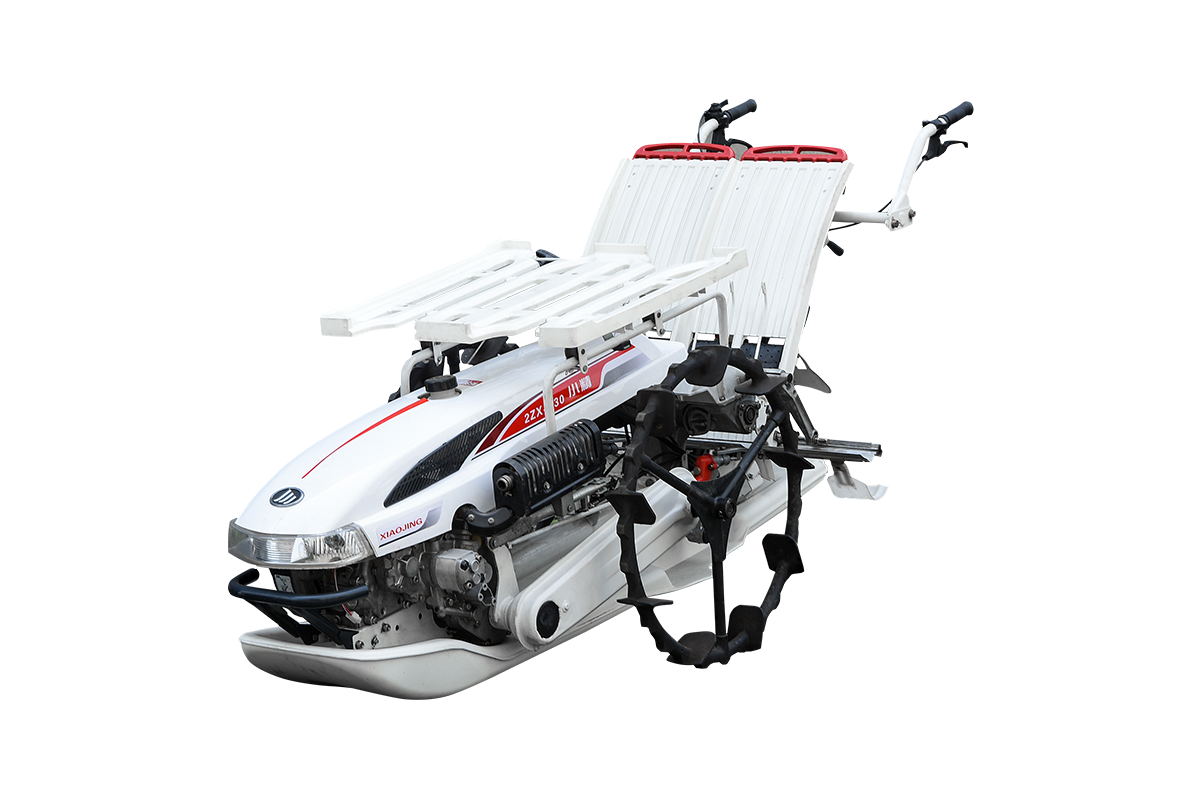 2ZX-230 Two-Row Small Hand-Held Rice TransplanterA two-row walking transplanter for small, fragmented fields and soft puddled soil, offering a mechanised first step with accurate seedling placement.View Product →
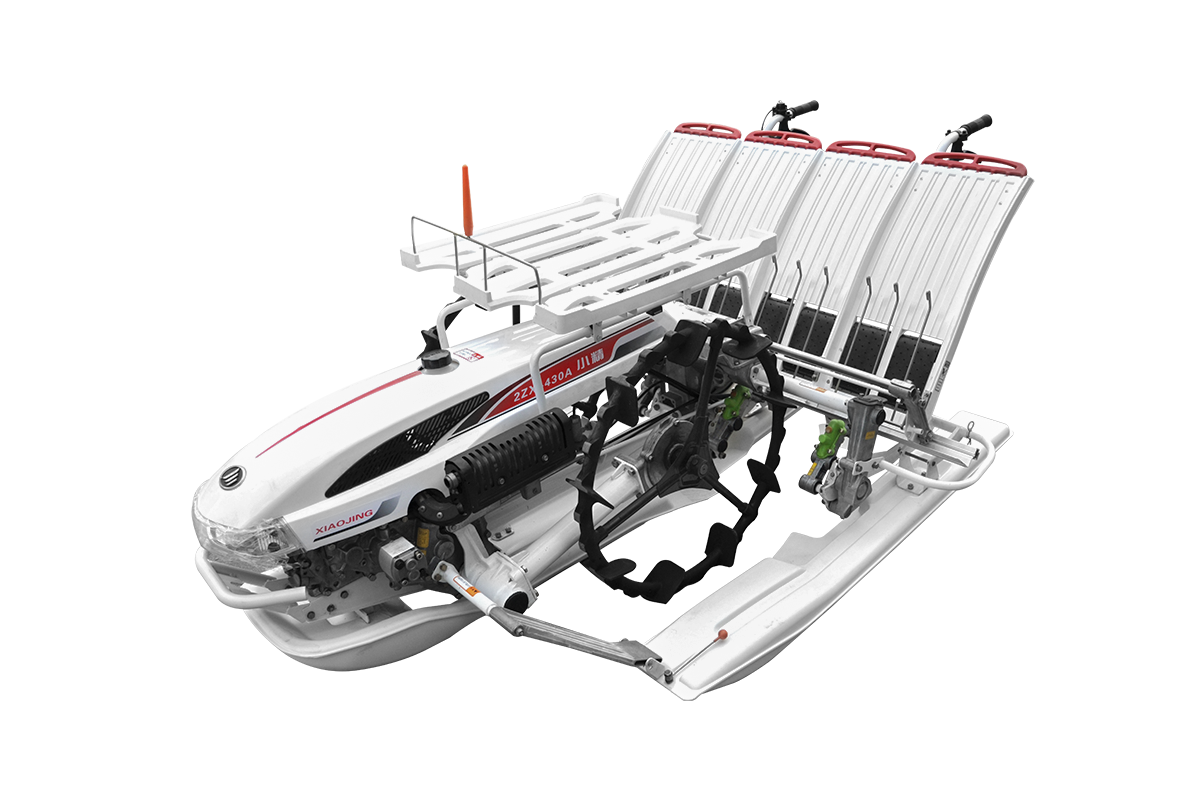
As plot size and labour pressure increase, the walking family widens. The 2ZX-430A plants four rows, the 2ZX-625 and 2ZX-630 plant six, and the 2ZX-818 plants eight. All of them keep the same advantage: the operator walks on the bund or in the furrow beside the planted strip, so the machine never needs to carry an operator's weight across soft soil. The trade-off is speed and operator fatigue. A six-row walking machine covers ground well on a single pass, but the person behind it walks the entire field.
Two details decide whether a walking machine performs or disappoints. The first is the condition of the seedling mat: a mat that is too thin tears under the pickup fork, and a mat that is too thick jams the planting arm. The second is the puddle. Walking machines tolerate softer soil than riding machines, but they still need the field levelled and the water drained to the point where the soil holds a footprint rather than swallowing it.
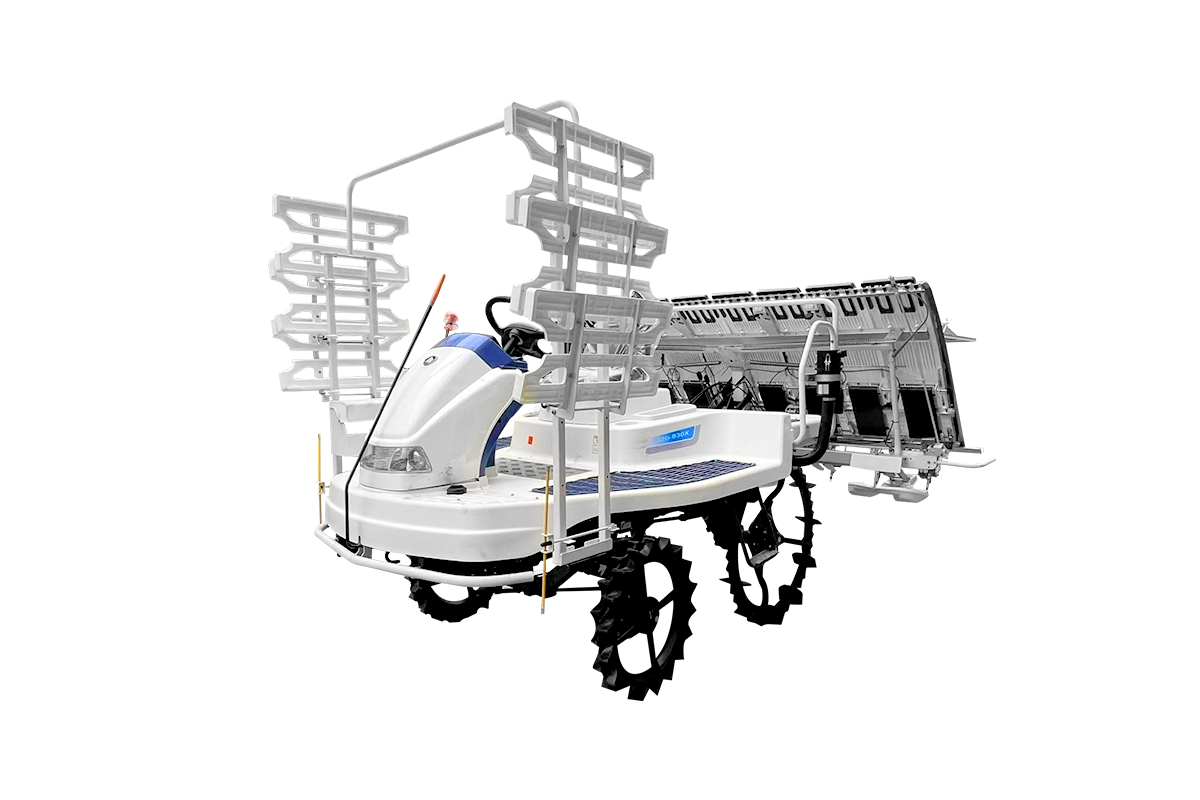
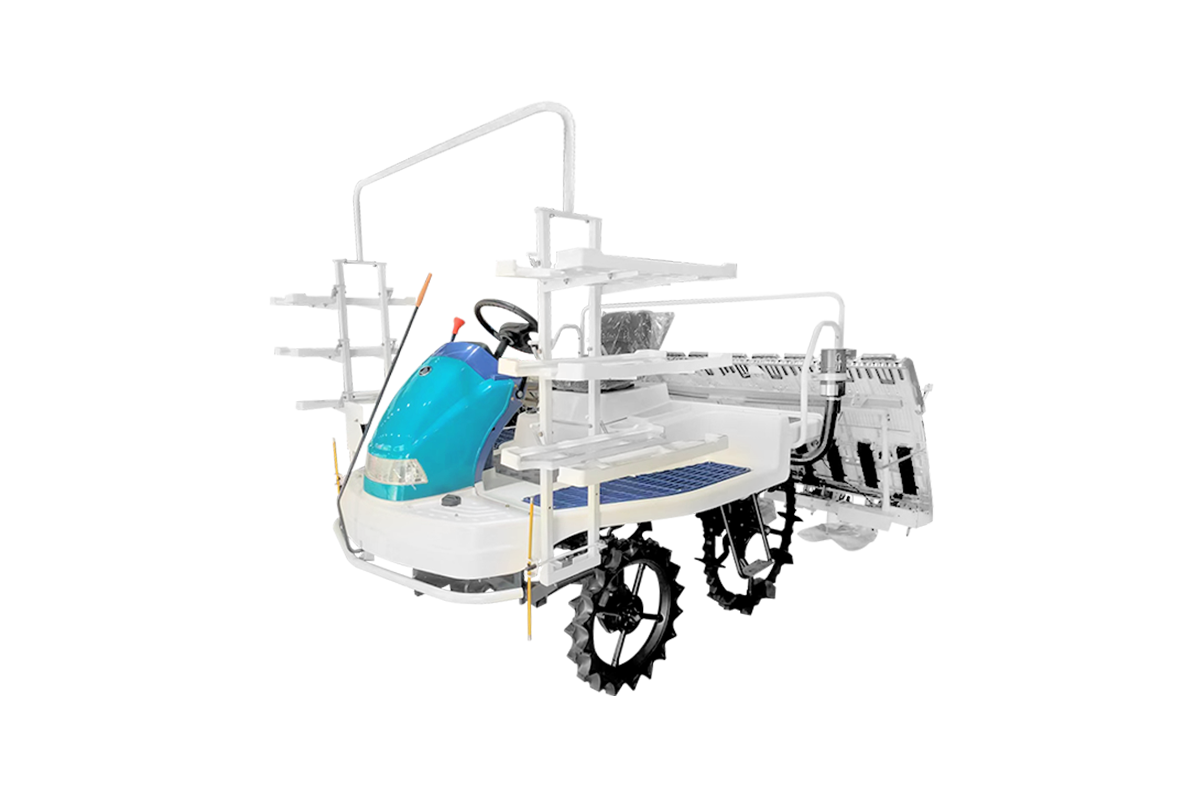
Riding machines put the operator on a seat above the planting units, and they exist for one reason: the planting window is short and the field is not. The 2ZG-630 six-row riding type rice transplanter is the middle of the range and the most common entry point for farms moving off walking machines. Above it sit the 2ZG-820, 2ZG-825Q and 2ZG-830X eight-row machines, the 2ZG-1020 ten-row machine for large level blocks, and the 2ZJ-430 four-row riding machine for operations that want a seat but still work in tighter parcels.
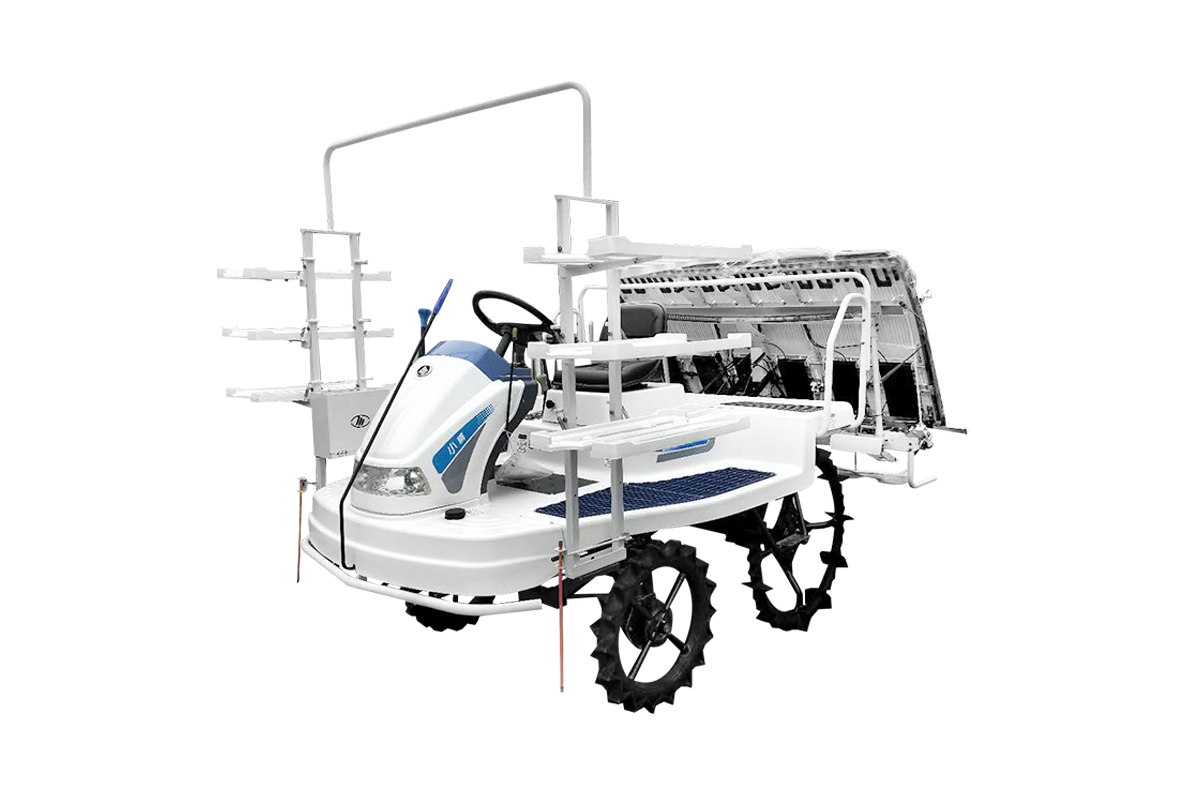 2ZG-630 Six-Row Riding Type Rice TransplanterA six-row riding transplanter for farms moving off walking machines, with hydraulic power steering and a gasoline engine for faster, less fatiguing planting.View Product →
The gain is not only forward speed. A seated operator can watch the seedling trays, refill them faster, and work a full day without the fatigue that shortens walking-machine shifts. Hydraulic steering reduces the effort of headland turns, which matters because turns are where time disappears on a large field. The cost side is real too: a riding machine needs firmer soil, wider headlands, better water control before planting, and a more organised nursery that can deliver mats on schedule.
| Consideration | Walking transplanter | Riding high-speed transplanter |
|---|---|---|
| Rows per pass | 2 to 8 | 4 to 10 |
| Operator position | Walking behind the units | Seated on the machine |
| Soil condition needed | Tolerates softer, wetter puddle | Needs firmer soil that carries weight |
| Turning space | Minimal, works on narrow bunds | Needs a headland wide enough to swing |
| Typical plot size fit | Small, split, terraced parcels | Contiguous blocks and contract work |
| Daily output | Lower, limited by walking pace | Higher, limited by nursery supply |
| Operator fatigue | High over a long day | Low, allowing longer shifts |
| Transport between plots | Rolled or carried by two people | Needs a ramp, trailer or access road |
Not every field should be transplanted. Where water control is unreliable, where labour for a nursery cannot be organised, or where the season starts late, direct seeding is a valid route, and then the machine is a rice seeder. The 2BDZ-1025 rice open-furrow hill-direct seeder does two jobs in one pass: it opens a furrow or a shallow ditch and drops seed in hills at controlled spacing, then closes the soil over the seed. The open-furrow layout gives the seed a settled, moist bed instead of broadcasting it onto a rough surface.
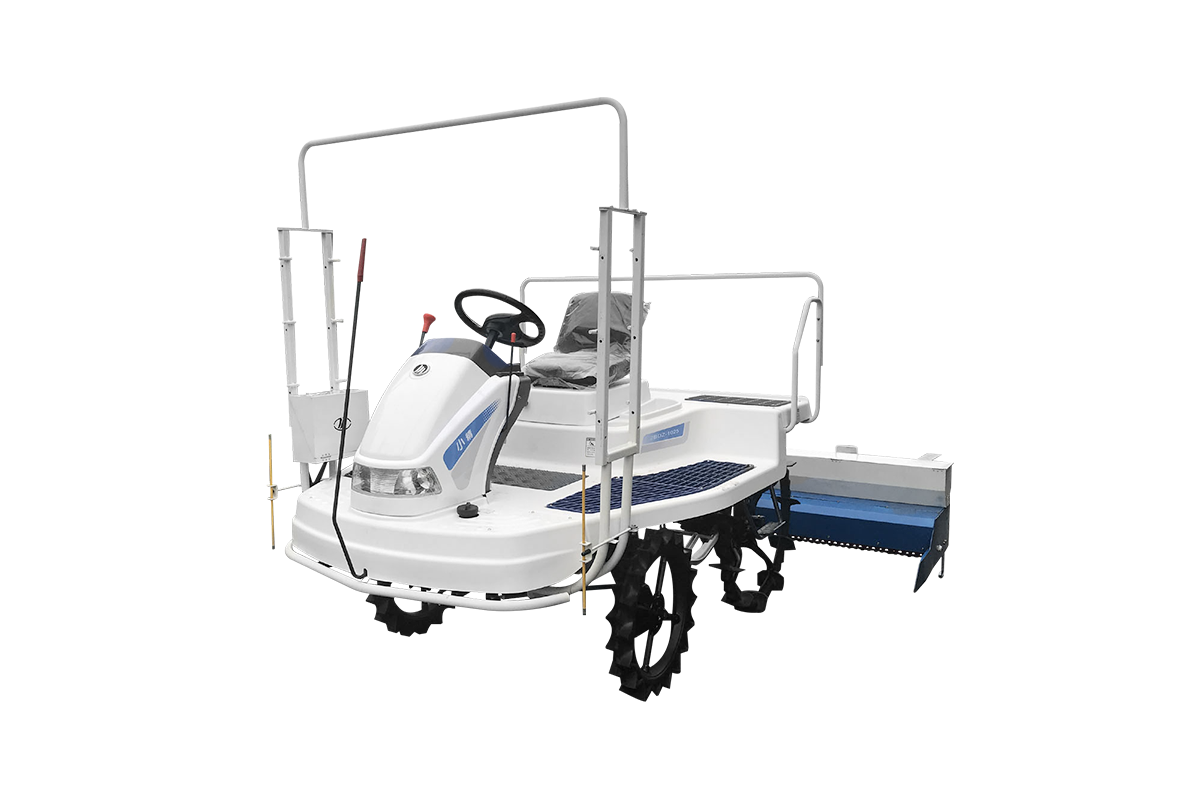 2BDZ-1025 Rice Open Furrow Hill-Direct SeederA self-propelled ten-row seeder for direct seeding, opening furrows and placing seed in hills for fields where transplanting is impractical.View Product →
Direct seeding removes the nursery from the cost sheet, and that is where the savings sit: no seedling trays, no mat soil, no seedling shed, no transplanting labour peak. It also moves the risk. Weeds compete with the crop from day one rather than after a seedling has established, birds and rodents find exposed seed, and the root system that develops in place is shallower, which raises lodging risk on fields with heavy nitrogen and weak stems.
Seed rate and depth do more for the result than machine speed. Sowing too deep buries the shoot, sowing too shallow exposes it, and sowing too fast throws the spacing out. The 2BDZ-1025 rewards a slow first pass while the operator learns the furrow depth setting, then a steady pace after that.
The single most common purchase mistake is choosing by price first and discovering the plot shape afterwards. Field size, plot shape, soil bearing capacity and water control decide which family is realistic long before a quotation is compared. The four profiles below cover most of the situations buyers describe in an inquiry.
Small, separated parcels with footpath access reward a light machine that can be moved by hand and turned in a few metres.
This range usually sits between two options, and the deciding question is whether the soil carries an operator's weight after puddling.
Contract planting is measured in hectares per day, and a narrow machine loses the job on turn time alone.
Where the field is stepped or the puddle is deep, a heavy machine becomes a recovery job rather than a planting job.
Planting quality is set by four or five numbers, and every one of them can be checked with a ruler and a spade. Buyers who record these numbers on the first day of the season spend far less time arguing with their operator on the fifth day. The ranges below are common practice for paddy rice and are a sensible starting point for machine setup.
| Parameter | Common working range | What goes wrong outside it |
|---|---|---|
| Planting depth | 1.0 to 2.5 cm | Too shallow and the seedling floats or dries; too deep and tillering starts slowly |
| Hill spacing | 12 to 25 cm, set by the operator | Sparse hills cut yield per square metre; crowded hills raise seed and seedling cost with no gain |
| Row spacing | About 30 cm on most models | Narrow rows raise plant population but reduce airflow and complicate weeding |
| Seedlings per hill | 2 to 4 | One seedling per hill risks gaps; five or more produce weak, shaded tillers |
| Seedling mat thickness | 2.0 to 2.5 cm | Thin mats tear at the pickup fork; thick mats jam the planting arm |
| Seedling age at planting | 15 to 25 days, 2.5 to 3.5 leaves | Over-aged seedlings suffer root damage and recover slowly |
| Water depth at planting | 1 to 3 cm | Deeper water hides the soil surface and the seedlings lean; dry soil blocks the planting fork |
Machine choice is a labour decision disguised as a machinery decision. The planting window for a single crop is short, often ten to fifteen working days, and the peak labour demand of manual transplanting lands in exactly the same fortnight as every neighbouring farm. Mechanisation does not remove labour; it moves labour from the field to the nursery and reduces the peak. The chart below compares illustrative daily coverage so the scale difference is visible at a glance. Real figures swing widely with soil, plot shape, seedling supply and operator skill.
Read the chart as a shape, not as a promise. The jump from manual work to a two-row walking machine is the largest single gain available, and it costs the least. The jump from a six-row walking machine to a six-row riding machine roughly doubles daily coverage but also requires firmer soil, a wider headland and a nursery that can keep pace. The final step to a ten-row machine only pays when the field is large, level and contiguous enough to keep the machine moving between refills.
Cost rule of thumb used by many buyers: count the peak labour days the machine replaces, not the purchase price alone. A machine that saves eight harvest-risky days in the planting window usually repays its cost faster than a cheaper machine that saves two.
Xiaojing Agricultural Machinery has manufactured planting machinery in Shangyu, Shaoxing, Zhejiang since 2006, on a production site of about 55 acres, and exports to markets in Southeast Asia, Africa and South America. That export experience shapes what should be settled before a container is loaded, because the differences between destinations are usually configuration differences rather than price differences.
Seasonal timing deserves its own line. A planting machine that arrives one week before the season starts is a stress test for everyone involved, because there is no time to correct a setting, replace a bent part or train an operator. Machines that arrive a full month earlier get a trial pass on a small area, and that trial pass usually finds the one adjustment the manual cannot anticipate.
Most disputes after delivery trace back to a field that was never measured. Walk the plot with a tape, a spade and a notebook, and record the following before the quotation is finalised.
A planting machine works in the harshest environment on the farm: abrasive mud, grit in every joint, and a tight seasonal deadline. Maintenance is not about long workshop sessions. It is about short, frequent checks at points that fail quietly and then fail suddenly.
| Component | Check frequency | Action |
|---|---|---|
| Pickup forks and needles | Daily, and after any blockage | Replace bent or chipped units; a bent fork creates a repeating miss pattern |
| Planting arm bushings | Weekly during the season | Check play; excess play changes planting depth across the row |
| Drive and pickup chains | Daily | Check tension and lubrication; a slack chain shifts hill spacing gradually |
| Float plate and soil contact surfaces | Weekly | Clean mud build-up; uneven build-up tilts the machine and varies depth |
| Ground wheel and lug tyres | Pre-season and mid-season | Check lug wear; worn lugs slip and disturb the drive ratio |
| Hydraulic oil and filter on riding models | Per manual hour interval | Replace on schedule; contaminated oil affects steering response |
| Fasteners on the planting shaft | Pre-season | Torque check; vibration loosens them over a full season |
| Seedling tray and guide rails | Daily | Clear mud and chaff so the mat feeds at a constant angle |
Experienced operators recognise faults by their pattern rather than by their noise. A repeating pattern almost always points to a mechanical cause in one position of the cycle, while a random pattern usually points to the seedling mat or the soil.
Note how few of these faults require a new machine. Nearly all of them are settings, wear parts or field preparation. That is why the spare parts kit and the recorded first-pass settings matter more than an extra horsepower figure nobody will ever measure.
The machine used to plant rice seedlings is a rice transplanter, also called a paddy transplanter or a rice planting machine. If seed is sown directly into the field with no nursery stage, the machine is a rice seeder, also known as a direct seeder or hill-drop seeder. The two names describe different machines with different working principles, so it is worth confirming which one is meant before requesting a quotation.
They are the same machine described in different words. "Rice planting machine" is a broad description used in catalogs and search terms, while "rice transplanter" is the more precise engineering term. When comparing offers, use the model code rather than the wording, since the code states the row count and the drive layout unambiguously.
Choose a walking machine when plots are small, split or terraced, or when the puddled soil is too soft to carry a seated operator. Choose a riding machine when the field is a large contiguous block, the soil is firm enough to bear weight, the headland allows turning, and the nursery can supply seedling mats quickly enough to keep the machine moving. Many farms start with a walking machine and add a riding unit later for the larger parcels.
Not in practice. Rice transplanters are designed around puddled soil and standard rice seedling mats, while vegetable and tobacco transplanters work in prepared, non-puddled beds with different seedling geometry. Xiaojing builds dedicated series for each job, so a farm that grows both usually needs two machines rather than one machine with an attachment.
A walking two-row machine can be run by one person on a small plot, but output rises immediately when a second person loads seedling trays. Riding machines typically run with one operator plus one or two people supplying trays and managing the headland. On larger blocks, tray logistics, not machine control, is the limiting factor.
Service life depends far more on maintenance and storage than on the calendar. Machines that are washed, lubricated and stored dry each season, with wear parts replaced before they fail, keep working for many seasons. Machines parked in the open with mud still on the planting units usually lose accuracy within a few seasons, and accuracy is the asset you paid for.
Many farms use both. Direct seeding shortens the workload and removes the nursery, but it is less reliable where water control is weak and weed pressure is high. A transplanter gives a stronger, more uniform stand and better lodging resistance. Using direct seeding for one part of the area and transplanting for another spreads both labour and weather risk.
Aim for mats roughly 2.0 to 2.5 cm thick with well-bound roots and even seedling height, from seed sown so that each hill will hold two to four seedlings. Thin mats tear at the pickup fork and leave gaps in the row; thick mats overload the planting arm and slow the machine. Tray size should be confirmed with the machine supplier before the nursery is prepared.
The machine name is only the first answer. The second answer is which configuration fits the field in front of you: row count, walking or riding, seedling or direct seeding, and the spare parts that keep it running through the planting window. A two-row handheld machine and a ten-row riding machine are both rice transplanters, and choosing between them is a question about plot size, soil strength, nursery capacity and how many days the season gives you.
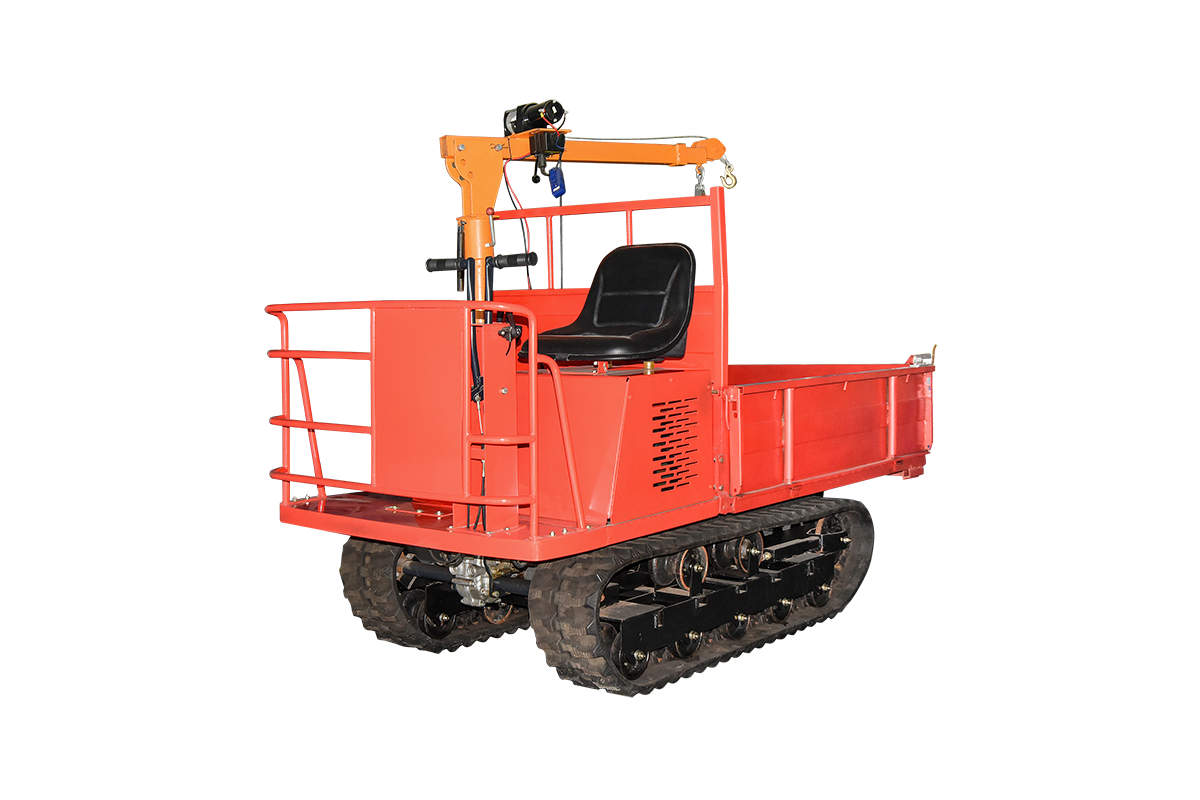
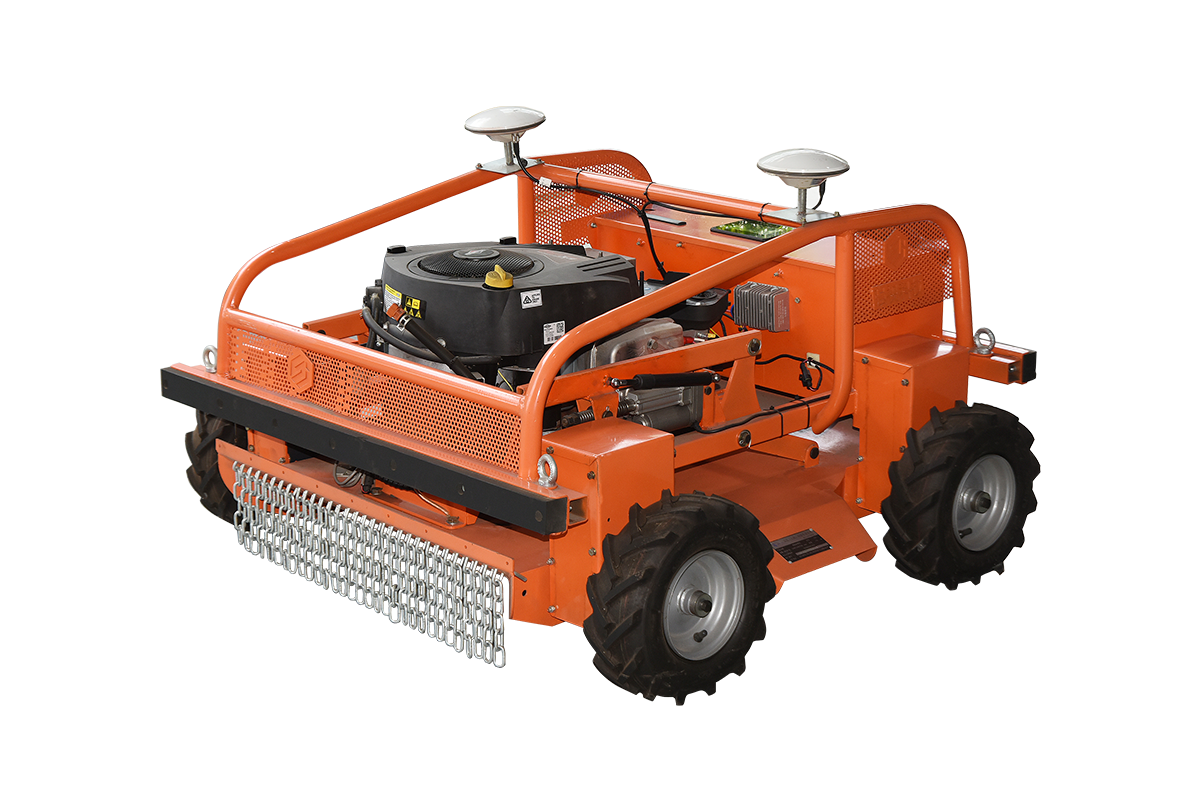
Xiaojing Agricultural Machinery builds six product families on one manufacturing site, from handheld transplanters and riding high-speed models to the 2BDZ-1025 direct seeder, plus vegetable, tobacco, tea, transport, spraying and mowing equipment for the rest of the farm calendar. If you describe your plot area, soil type, bund width and target planting dates, the answer can be narrowed to a model code quickly. You can reach the sales team through the Get Free Quote entry on the site, or by phone and email listed there, and the more field detail you bring, the shorter that conversation becomes.
 Custom Agricultural Equipment Manufacturers