

 No. 1819, Renmin West Road, Cao'e Street, Shangyu District, Shaoxing City, Zhejiang Province, China

 English
 中文简体
中文简体 русский
 Español
 عربى
عربى
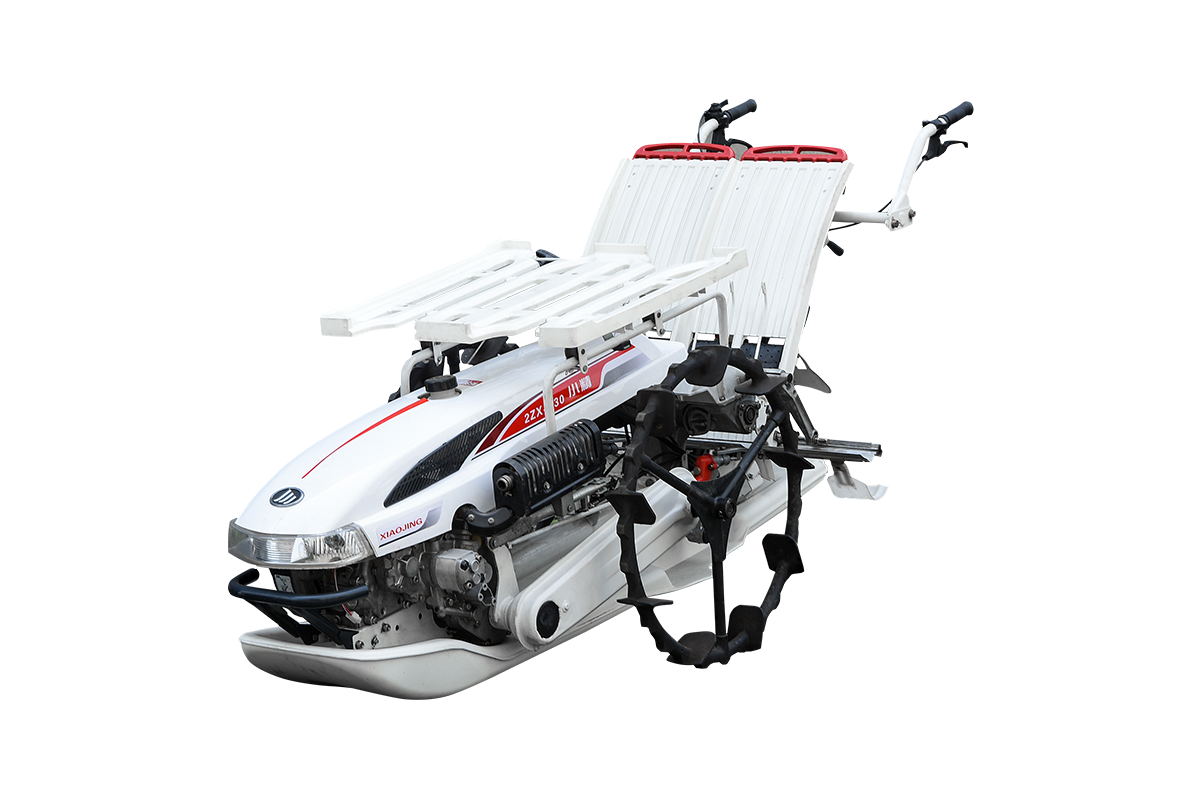
The 2ZX-230 two-row small low-fuel consumption hand-held transplanter is a high-performance machine ...

 2025.12.22
 Industry News
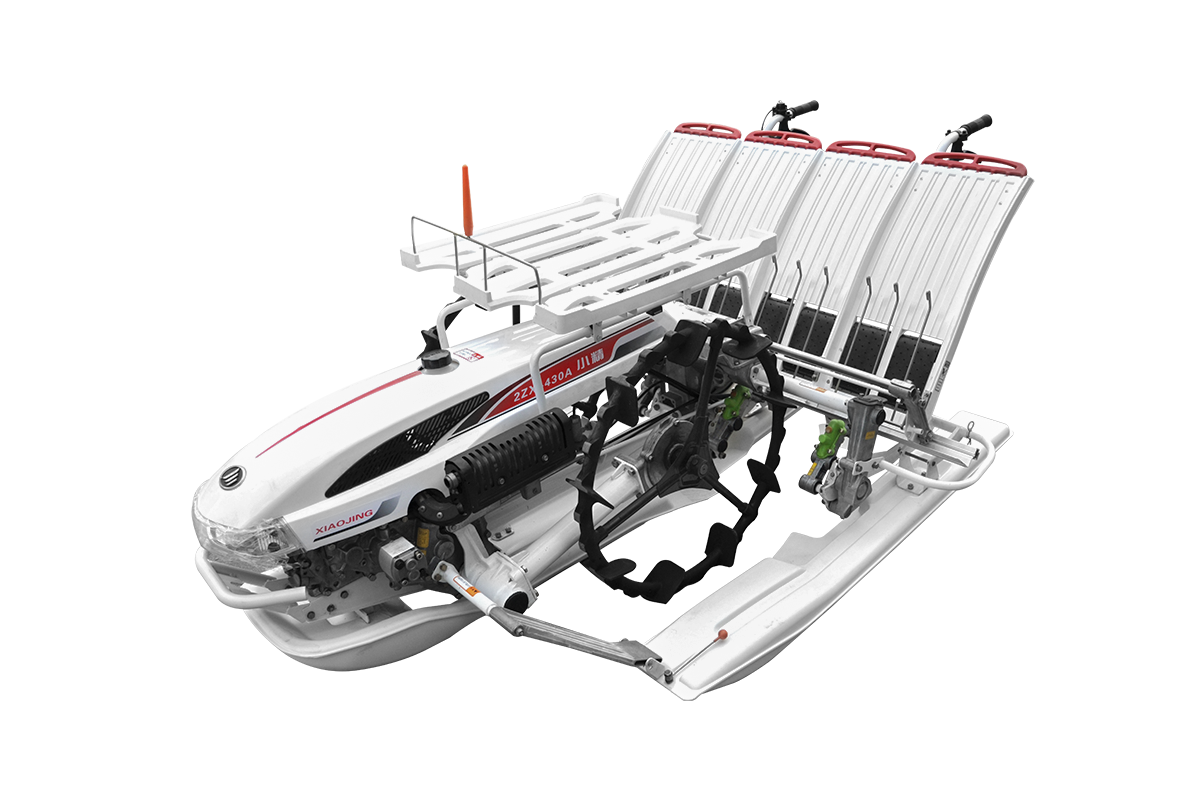
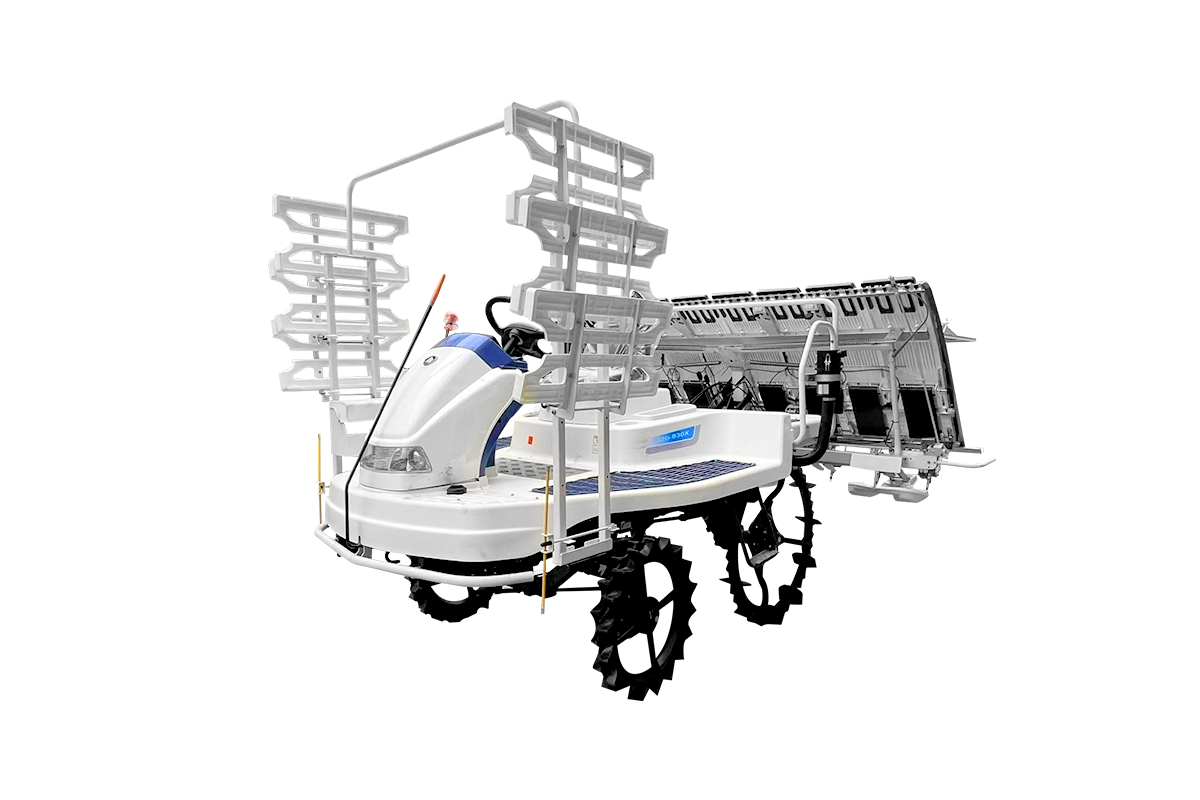
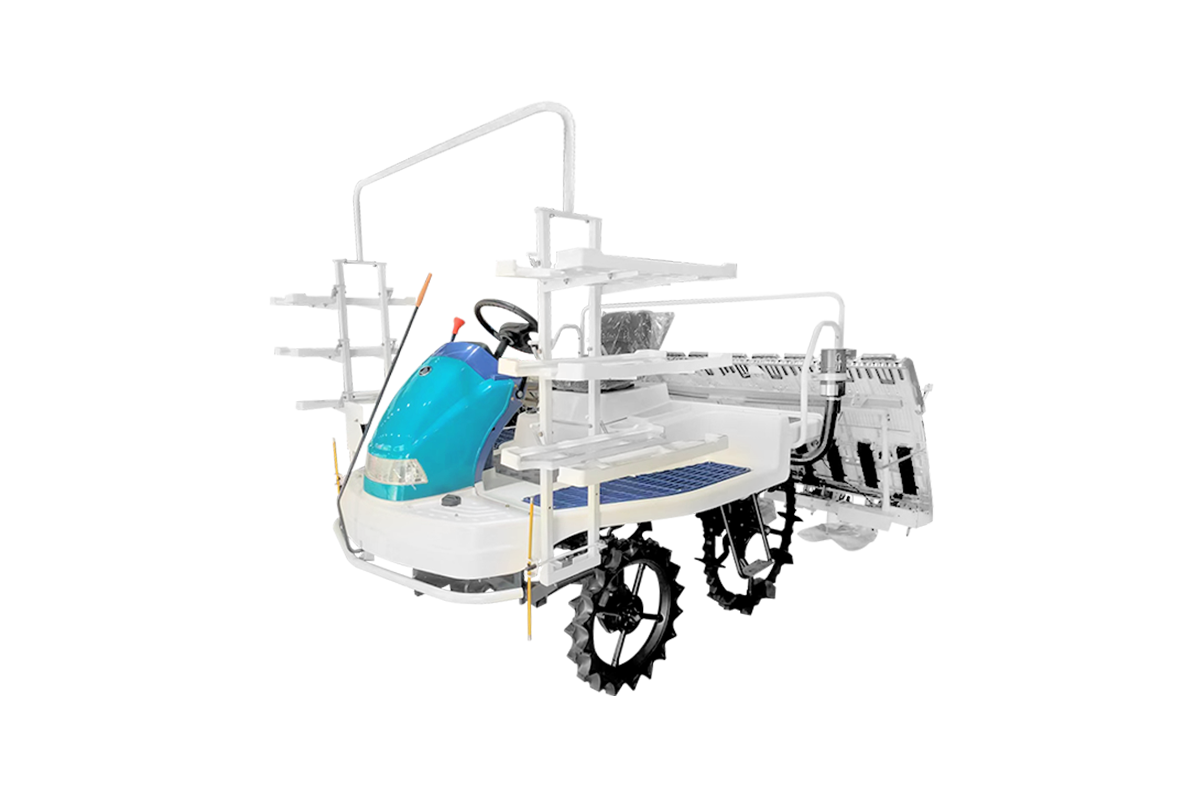
Six-row walking rice transplanters are essential agricultural machinery widely used for large-scale rice transplanting operations. They are designed to plant seedlings efficiently and precisely, reducing labor intensity while improving productivity. With modern agriculture advancing, the requirements for transplanters in terms of efficiency, stability, and precision have increased significantly. The transmission system serves as a core component, directly affecting power delivery, operational efficiency, and planting accuracy.
The transmission system of six-row rice transplanters generally adopts a mechanical transmission as the primary method with hydraulic assistance. Mechanical transmission provides the foundation for power distribution, transferring torque from the engine to both the walking wheels and the planting mechanisms. The hydraulic system supports adjustable planting parameters, ensuring precise control over planting depth, row spacing, and plant spacing while improving flexibility and operational stability.
Gear transmission is the fundamental mechanical transmission type used in six-row rice transplanters. It features compact design, high power transmission efficiency, and strong overload resistance. The main transmission gears connect the engine output to the walking wheels and planting mechanisms, evenly distributing torque. High-strength alloy steel gears are often heat-treated to enhance wear resistance and extend service life.
Differential gears are commonly combined with gear transmission. Differential gears allow for smooth turning by compensating for speed differences between left and right wheels. This ensures consistent planting alignment and prevents uneven soil compression. Proper design and lubrication of differential gears are essential to prevent long-term wear or slippage during field operations.
Chain transmission is used to connect the seedling conveyor and the planting wheels, transferring rotational motion reliably. Chain drives are suitable for multi-point transmission and complex layouts, offering flexible installation and relatively easy maintenance. High-strength chains paired with tensioning devices maintain continuous power delivery in muddy and uneven field conditions, ensuring uniform and precise seedling planting.
Hydraulic transmission is increasingly utilized in modern six-row rice transplanters, particularly for planting mechanism adjustments and precision control. Hydraulic motors and cylinders enable speed adjustment, planting depth control, and fine-tuning of row and plant spacing. Hydraulic systems respond quickly and operate flexibly, maintaining stable performance across various field and water-level conditions, thus enhancing overall operational efficiency.
Hydraulic systems typically feature solenoid valves and pressure sensors for intelligent control. Operators can adjust speed and planting parameters in real time via levers or digital control panels, reducing labor intensity while increasing accuracy and comfort during operations.
The combination of mechanical and hydraulic transmission leverages the strengths of both systems. Mechanical transmission handles high-power torque distribution, while hydraulic systems provide precise control and operational flexibility. This hybrid approach ensures compact structure, high efficiency, and adaptability to different field conditions, including soft mud, clay, and uneven terrains. The hybrid transmission also reduces vibrations and shocks, prolonging machine lifespan and maintaining seedling quality.
Proper maintenance of the transmission system is critical for stable operation and long service life. Gear, chain, and hydraulic components require regular lubrication, tightening, and cleaning to remove soil debris. Hydraulic oil should be kept clean and at the correct temperature to maintain consistent system pressure and operational performance. Following the manufacturer’s maintenance schedule ensures long-term reliability and minimizes downtime during peak planting periods.
 Custom Agricultural Equipment Manufacturers