

 No. 1819, Renmin West Road, Cao'e Street, Shangyu District, Shaoxing City, Zhejiang Province, China

 English
 中文简体
中文简体 русский
 Español
 عربى
عربى
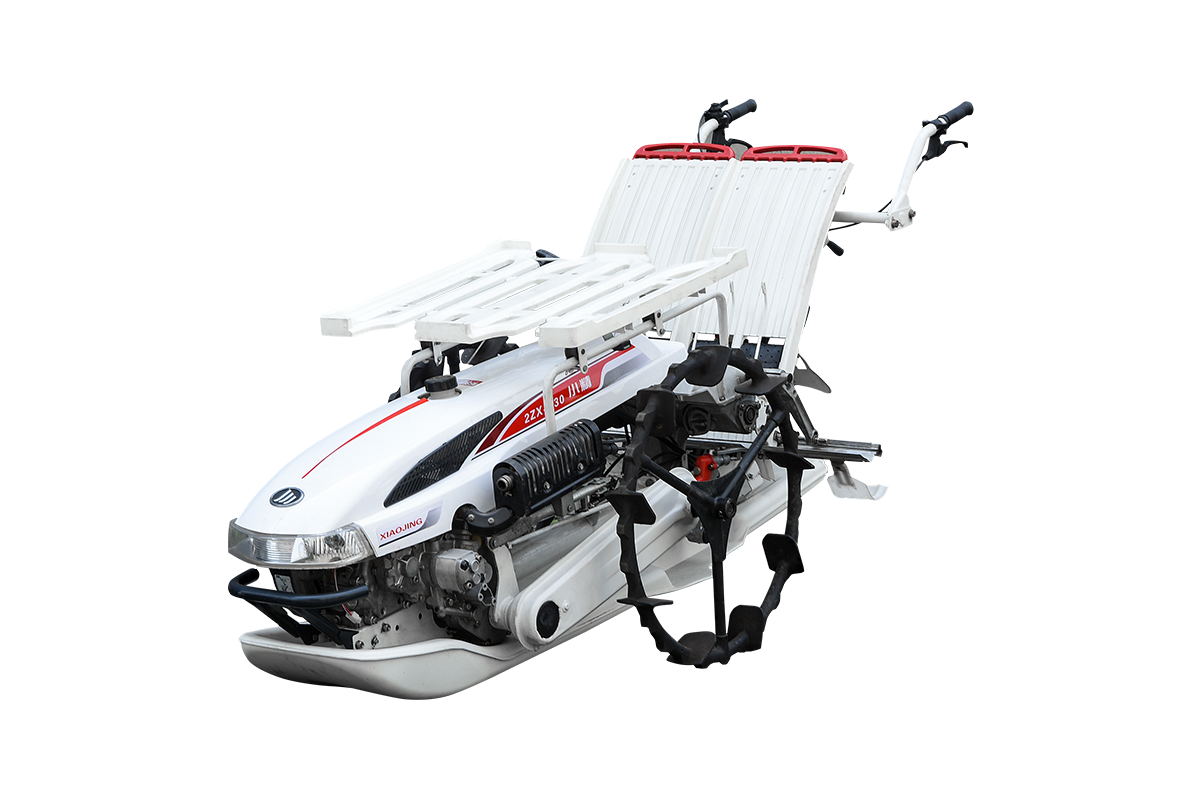
The 2ZX-230 two-row small low-fuel consumption hand-held transplanter is a high-performance machine ...

 2025.12.15
 Industry News
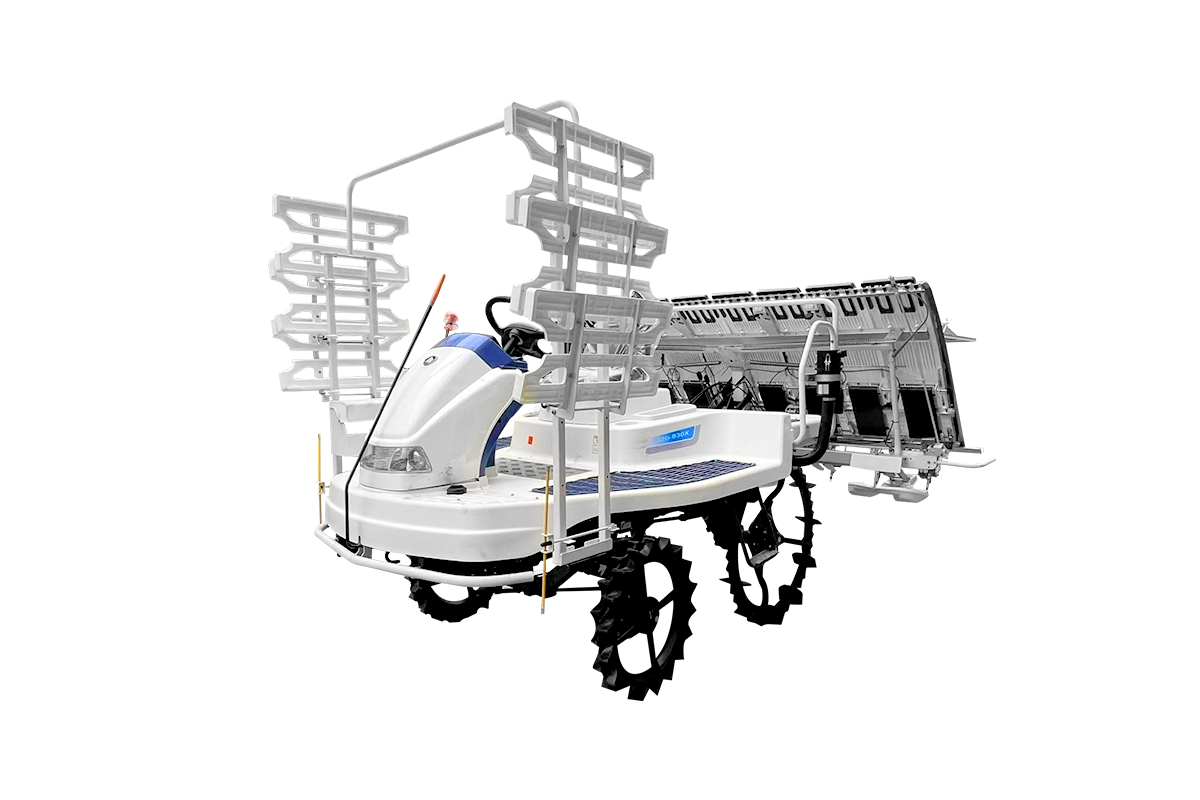
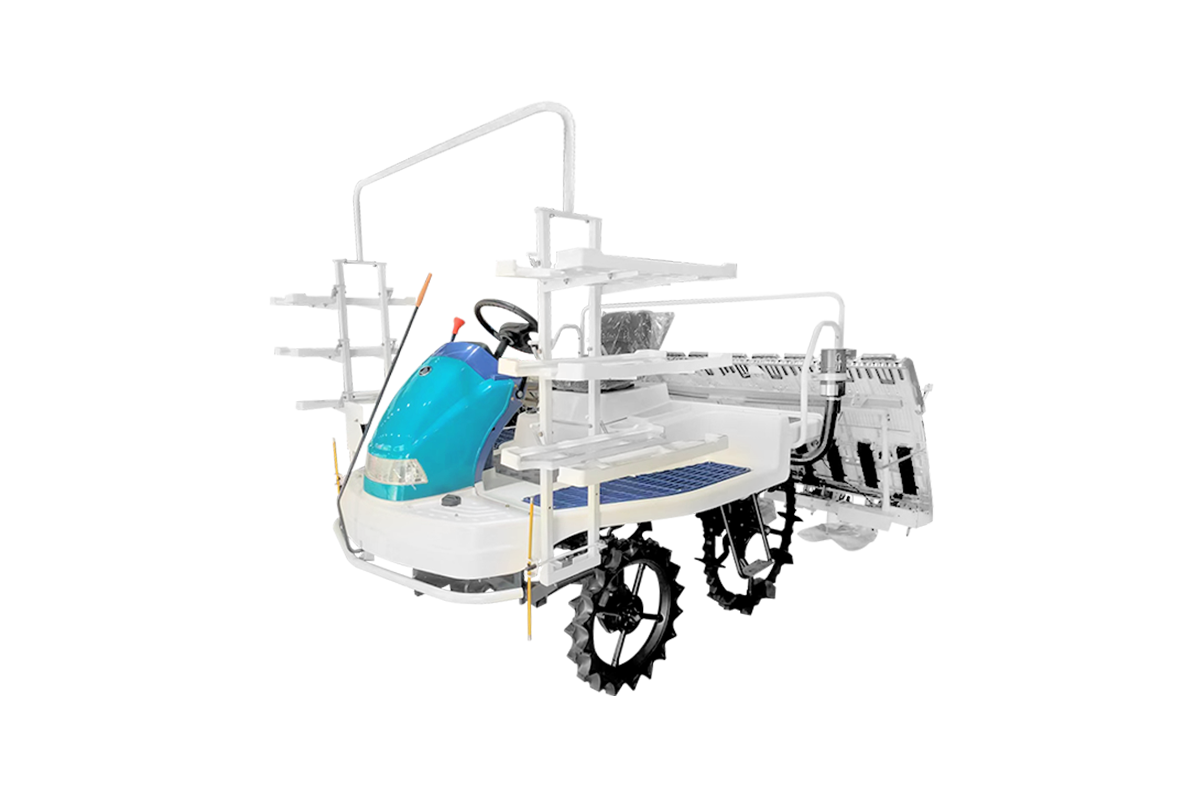
Riding type rice transplanters play a critical role in modern mechanized rice cultivation. Proper daily maintenance and management of wear parts directly impact machine efficiency, operational reliability, and transplanting quality. A well-planned maintenance schedule and replacement frequency ensure fewer breakdowns and continuous field operation.
Rice fields present challenging operational environments, including wet and muddy conditions, uneven field surfaces, and high soil moisture content. During operation, soil, seedling debris, and other impurities can accumulate in the transmission system, transplanting mechanism, and wheel assemblies, increasing friction and wear. Neglecting daily maintenance significantly raises the risk of mechanical failures, reduces operational efficiency, and can damage seedlings.
A standard daily maintenance schedule includes pre-operation, during-operation, and post-operation checks. Pre-operation inspection should include engine oil levels, hydraulic oil levels, fuel system, transplanting fingers, seedling conveyor chain, and tires or tracks. During operation, operators should monitor unusual noise, vibration, seedling feed consistency, and transplanting depth. Post-operation maintenance requires cleaning soil and seedling residues, lubricating moving parts, and checking for loose fasteners. Key components should be lubricated and tightened every 50 operating hours, while general inspections are recommended before and after each use.
The main wear parts in a riding type rice transplanter include transplanting fingers, conveyor chains, sprockets, gears, and hydraulic seals. The wear rate depends on operating conditions, usage intensity, and maintenance:
Transplanting Fingers: Frequently contact seedlings and soil, recommended inspection every 200–300 operating hours, and immediate replacement if bent, broken, or excessively worn.
Conveyor Chains: Bear tension and soil abrasion; inspect every 150–200 operating hours for wear and tension. Replace if elongation or damage occurs.
Sprockets and Wheel Assemblies: Constant contact with wet soil; inspect and lubricate every 300 operating hours, and replace worn components every 500 operating hours.
Gears and Drive Shafts: Ensure smooth power transmission; inspect every 400 operating hours. Replace immediately if broken teeth or abnormal meshing occurs.
Hydraulic Seals: Exposed to pressure and moisture; recommended replacement every 500 operating hours or annually to maintain system stability.
A scientifically managed maintenance schedule and timely replacement of wear parts significantly reduce the likelihood of breakdowns, ensuring continuous field operation. The transplanting fingers and conveyor system are critical for consistent seedling placement. Regular inspection and replacement preserve smooth seedling delivery, uniform transplanting depth, and overall machine longevity.
Proper maintenance and wear part management enhance operational efficiency while reducing long-term costs. Frequent breakdowns and unexpected downtime increase labor and repair expenses and can delay harvesting schedules. A clearly defined maintenance and replacement plan allows farmers to maximize machine uptime and return on investment, making the equipment a reliable asset for multiple growing seasons.
With the rise of smart agriculture, maintenance of riding type rice transplanters is increasingly moving toward digital and automated solutions. Sensors can monitor wear on transplanting fingers, conveyor tension, and hydraulic pressure in real time, alerting operators when maintenance or part replacement is required. Future integration with IoT and remote monitoring will enable predictive maintenance, improving precision, efficiency, and machine reliability.
 Custom Agricultural Equipment Manufacturers