

 No. 1819, Renmin West Road, Cao'e Street, Shangyu District, Shaoxing City, Zhejiang Province, China

 English
 中文简体
中文简体 русский
 Español
 عربى
عربى
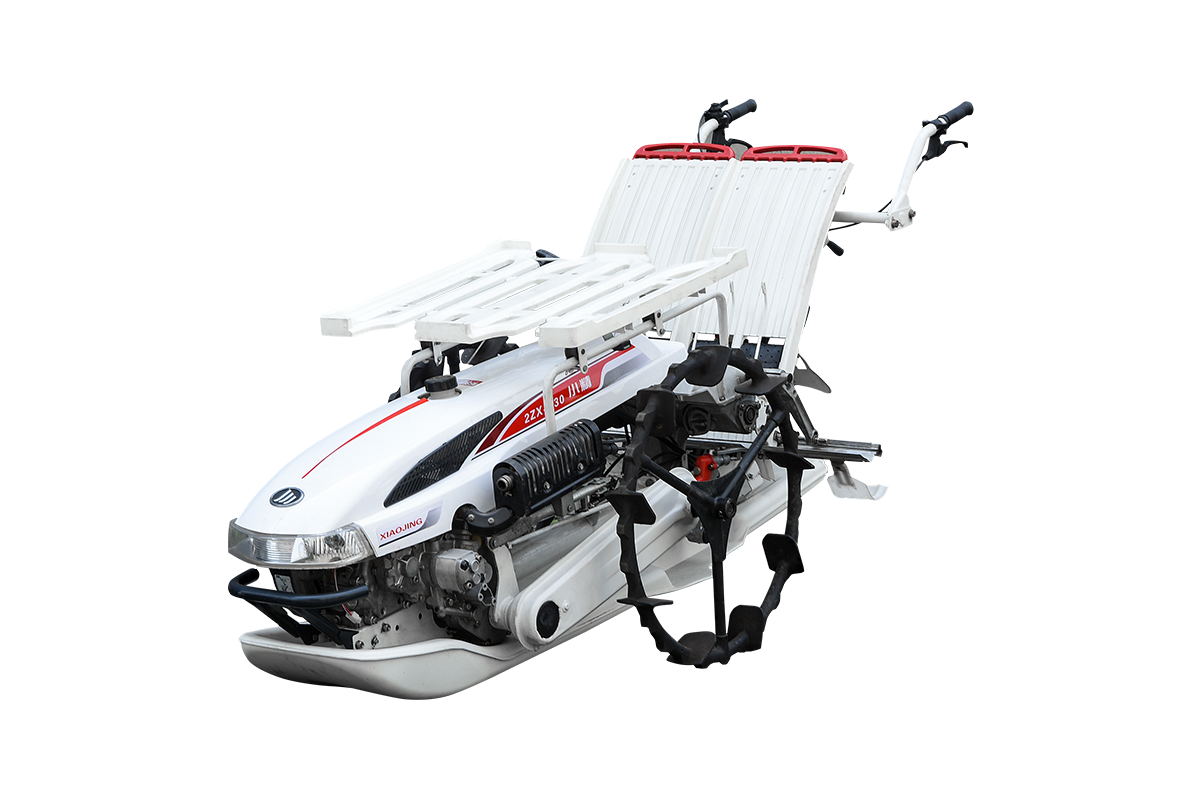
The 2ZX-230 two-row small low-fuel consumption hand-held transplanter is a high-performance machine ...

 2026.08.31
 Industry News
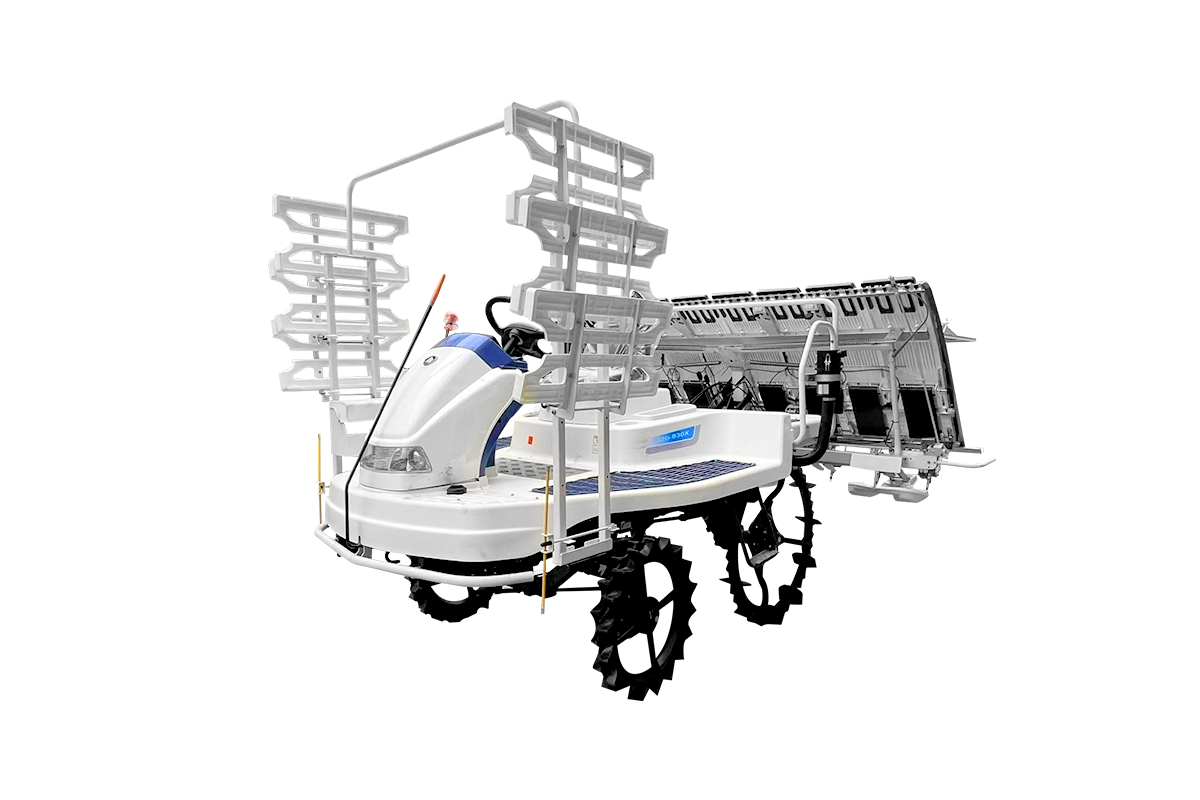
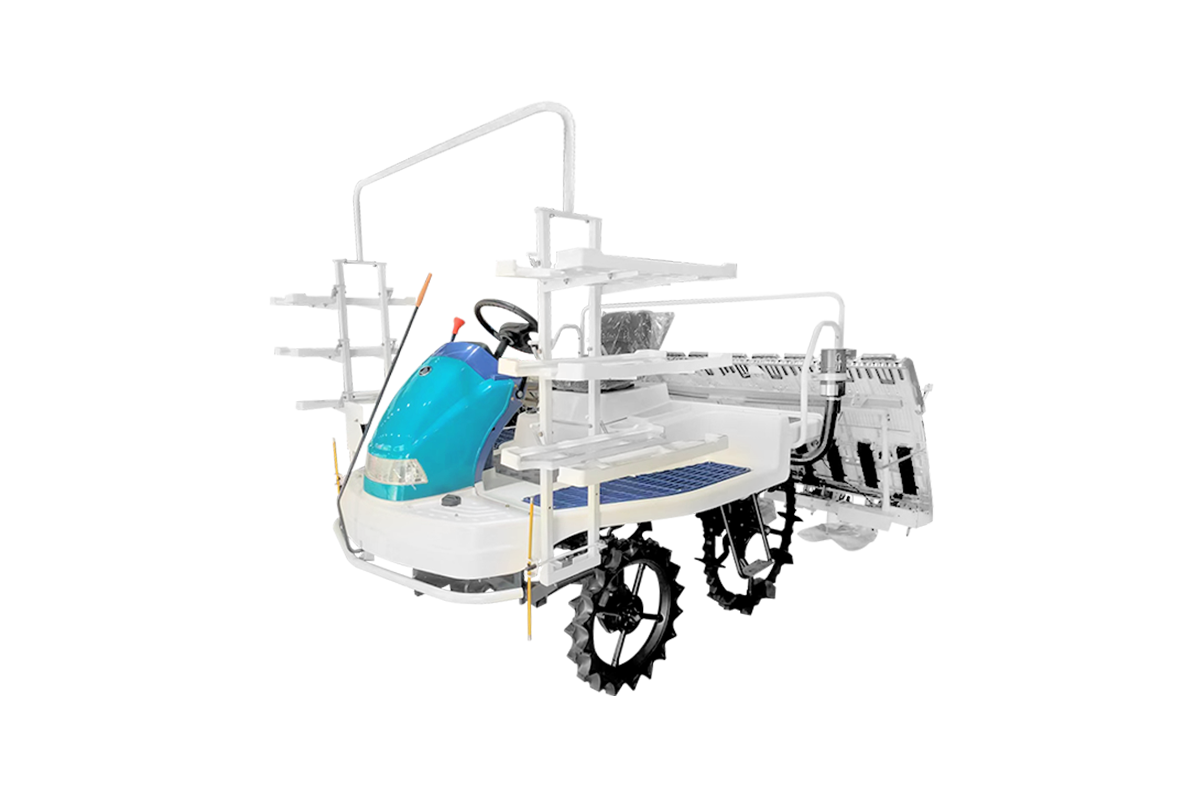
For modern rice production, the Riding Type Rice Transplanter represents the pinnacle of mechanical transplanting efficiency. This comprehensive technical dossier examines the engineering principles, operational parameters, and economic considerations surrounding riding-type machinery, while also comparing it with walking-type alternatives and exploring the full spectrum of methods for transplanting rice. All data presented are derived from field trials and factory test benches, ensuring actionable insights for farm managers and procurement specialists.
Understanding the two main types of rice transplanters is fundamental to equipment selection. The Riding Type Rice Transplanter (power-driven, seated operation) and the Walking Type (manually guided or small engine) serve distinct operational niches. The table below presents a side-by-side technical comparison based on factory test data.
| Parameter | Riding Type (Seated) | Walking Type (Hand-guided) |
| Drive mode | Power driven (engine) | Manual or small engine |
| Number of rows | 6, 8, 10 | 2, 4, 6 |
| Engine power (6-row) | 11.4 – 13.6 kW | 2.6 – 3.3 kW |
| Working width (6-row) | ~1.8 m | ~0.9 – 1.2 m |
| Field capacity (mu/h) | up to 6.7 | ~2.0 |
| Operator fatigue | Low (seated) | High (walking behind) |
| Suitable field size | Large, contiguous | Small, irregular |
The Riding Type Rice Transplanter excels in large-scale operations where speed, precision, and operator comfort directly impact profitability. In contrast, walking-type machines remain viable for fragmented holdings or hilly terrains where maneuverability trumps outright productivity.
* Efficiency measured in mu per hour (1 mu ≈ 667 m²). Riding type maintains high efficiency above 20 mu, while walking type shows plateau.
The different methods for transplanting rice can be broadly categorised into manual and mechanical systems. Within mechanical systems, the Riding Type Rice Transplanter supports several seedling formats, each with distinct agronomic outcomes. The table below contrasts the primary mechanical methods.
| Method | Seedling type | Transplanting quality | Relative yield |
| Mat seedling (blanket) | Root-mat with soil | Good, some root damage | Baseline (100%) |
| Pot seedling (plug) | Individual soil blocks | Excellent, minimal injury | +5% – +8% |
| Broadcast (scattering) | Pre-germinated seeds | Uneven, poor stand | −10% to −15% |
Among mechanical methods, the Riding Type Rice Transplanter is most commonly paired with mat seedlings due to its high-speed picking mechanism. However, modern riding-type models are increasingly equipped with pot-seedling trays, enabling the yield advantage of plug seedlings without sacrificing operational speed.
Beyond the basic classification, the Riding Type Rice Transplanter incorporates several advanced subsystems that directly affect field performance. This section details the key engineering modules that distinguish premium riding-type machines.
Daily capacity based on 8‑hour effective operation, 1 mu ≈ 667 m².
Total cost of ownership (TCO) is a decisive factor for commercial farms. The following data compare per‑mu operational costs between a 6‑row Riding Type Rice Transplanter and a typical 4‑row walking machine, based on 500 mu of annual use.
| Cost item (per mu) | Riding Type (6-row) | Walking Type (4-row) |
| Fuel / energy | ¥3.20 | ¥2.10 |
| Maintenance (parts + labour) | ¥1.80 | ¥1.20 |
| Depreciation (annual) | ¥4.50 | ¥2.00 |
| Labour (operator cost) | ¥2.00 | ¥4.50 |
| Total per mu | ¥11.50 | ¥9.80 |
While the Riding Type Rice Transplanter shows a slightly higher per‑mu cost at moderate acreage, its superior daily output drastically reduces total labour hours. For farms exceeding 1,000 mu, the riding type delivers a 12‑15% lower total seasonal cost due to reduced manpower requirements.
Reliability of the Riding Type Rice Transplanter hinges on disciplined maintenance. The following checklist is derived from factory service manuals and field feedback.
Selecting the optimal Riding Type Rice Transplanter requires matching machine specifications to farm conditions. The decision matrix below guides procurement based on key operational parameters.
Every Riding Type Rice Transplanter leaving our production line undergoes a rigorous 16‑point inspection. Key test items and acceptance criteria are listed below.
Beyond standard row transplanting, the Riding Type Rice Transplanter enables advanced agronomic practices that boost yield and resource efficiency.
These advanced features transform the Riding Type Rice Transplanter from a simple implement into a precision farming tool, directly contributing to higher grain quality and reduced input costs.
We collected performance data from 15 farms across different rice‑growing regions. The averaged results for a 6‑row Riding Type Rice Transplanter are presented below.
Operator well‑being and safety are integral to the design of modern Riding Type Rice Transplanter units. The following features are standard on our latest series.
The Riding Type Rice Transplanter contributes to sustainable rice production through several mechanisms:
These factors make the Riding Type Rice Transplanter a responsible choice for environmentally conscious rice operations.
From the hydraulic lift response to the precision of the rotary planting unit, every engineering choice in the Riding Type Rice Transplanter is driven by the need for consistent, high‑quality transplanting across large acreages. The combination of low operator fatigue, high daily output, and compatibility with advanced seedling systems ensures that riding‑type machinery will remain the backbone of mechanised rice production for the foreseeable future. For farm managers evaluating the two main types of rice transplanters and reviewing the different methods for transplanting rice, the riding type offers the most balanced solution for commercial viability and agronomic excellence.
 Custom Agricultural Equipment Manufacturers