

 No. 1819, Renmin West Road, Cao'e Street, Shangyu District, Shaoxing City, Zhejiang Province, China

 English
 中文简体
中文简体 русский
 Español
 عربى
عربى
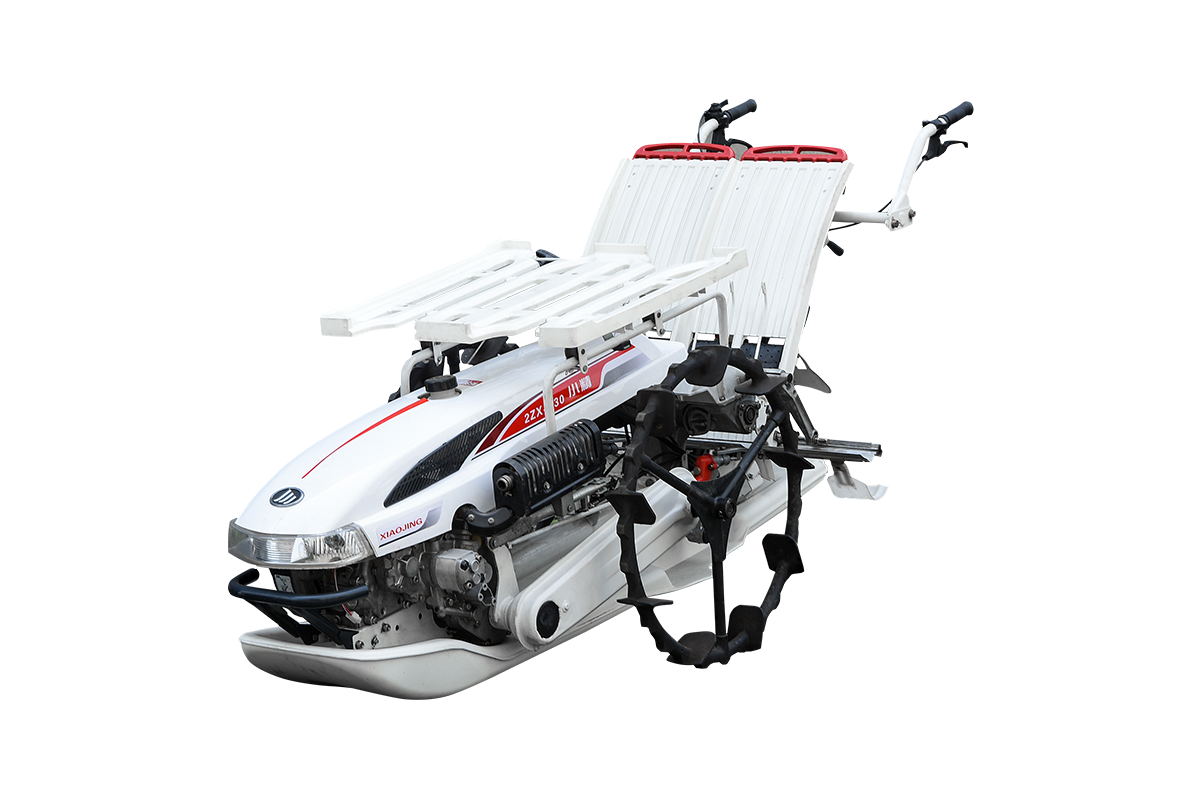
The 2ZX-230 two-row small low-fuel consumption hand-held transplanter is a high-performance machine ...

 2026.01.26
 Industry News
In the field of mechanized rice planting, the choice between a Walking Rice Transplanter and a Riding Rice Transplanter is not merely a consideration of purchase cost, but a precise calculation involving operating environments, agronomical requirements, and economic benefits. For rice growers and agricultural service organizations, understanding the technical barriers and application scenarios of both is key to maximizing operational profits.
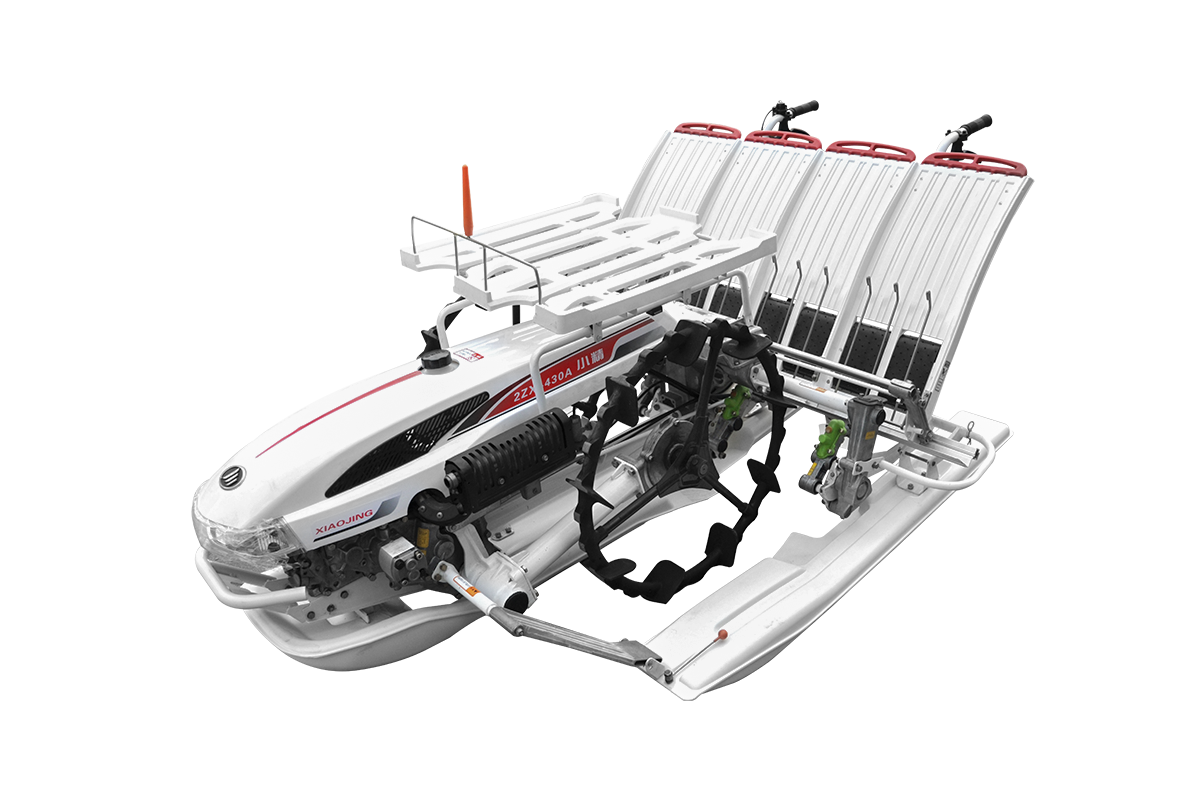
The Walking Rice Transplanter typically adopts a four-row or six-row design with a compact structure and light weight. Its core drive relies on an operator walking behind to guide the machine, with steering primarily handled through manual clutch switching. The advantage of this design lies in its exceptional flexibility, allowing it to easily navigate small, fragmented, and irregularly shaped paddy fields in hilly regions.
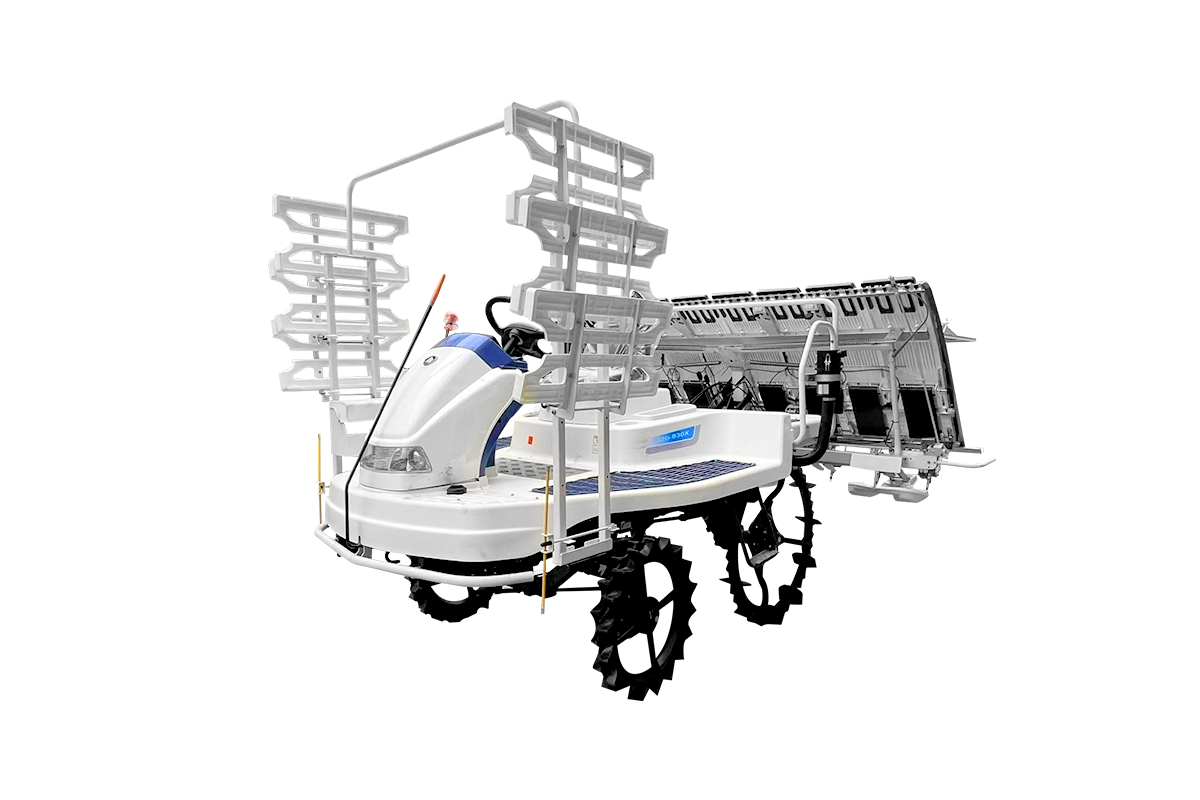
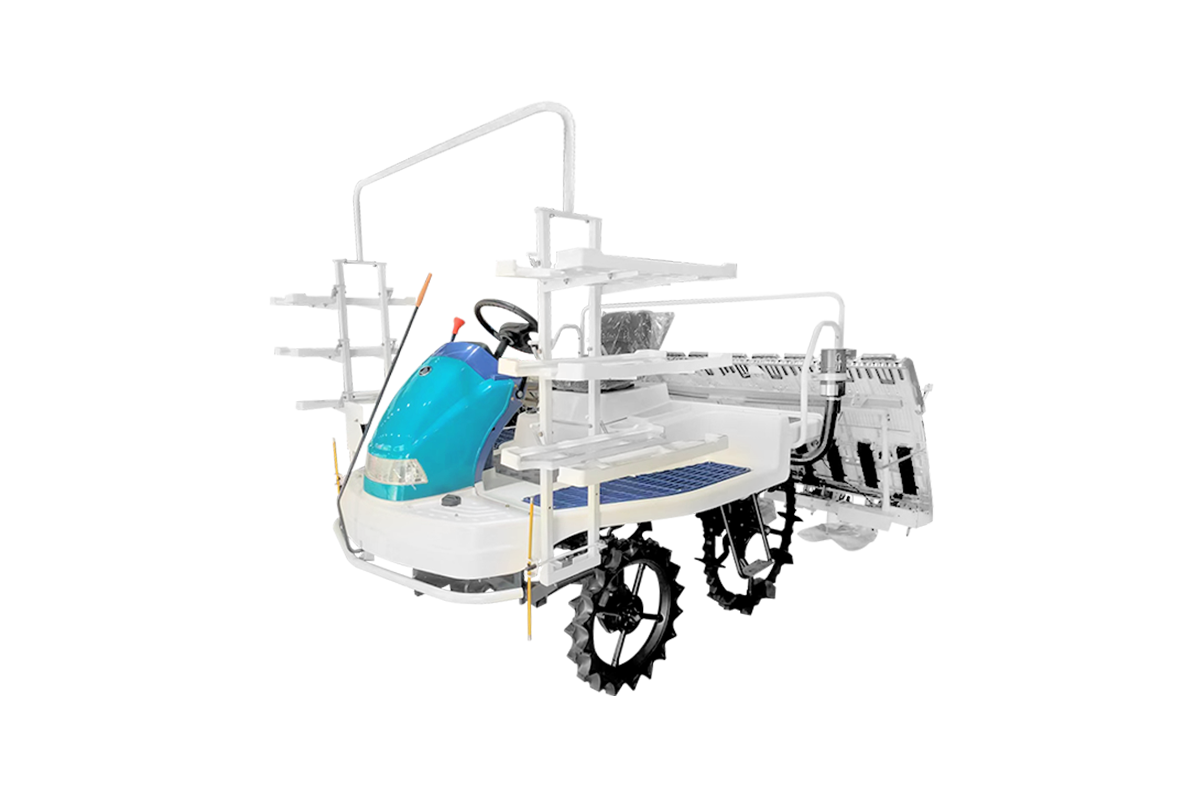
In contrast, the Riding Rice Transplanter is equipped with a complete operator cabin (or seat) and a steering wheel system. Powered by more robust engines—often three-cylinder diesel or high-output gasoline engines—riding models can drive six-row, eight-row, or even ten-row planting mechanisms. Their hydraulic steering and Hydrostatic Transmission (HST) significantly reduce fatigue during long working hours, with an operational logic closer to that of a four-wheel tractor.
In terms of efficiency, the Riding Rice Transplanter holds a decisive advantage. Research data shows that the operating speed of a riding six-row machine typically reaches 0.8-1.5m/s. Its Field Capacity is generally more than 2.5 times that of a four-row walking model. For large-scale land tracts in plains, riding machines significantly shorten the critical agricultural window.
However, regarding Field Trafficability, walking models show greater resilience. In extremely deep paddies where the Hardpan Depth exceeds 20cm, heavy riding transplanters face a high risk of "bogging down" even with wide rubber wheels. In such cases, the Walking Rice Transplanter, weighing only 200-300kg, can complete tasks beyond the reach of heavy equipment due to its lower ground pressure.
The precision of the planting mechanism is the core indicator of quality. A Riding Rice Transplanter is often equipped with advanced Auto-leveling Systems and hydraulic profiling systems that sense mud hardness in real-time and adjust the seedling platform angle. This ensures consistent Planting Depth for every hill, which is crucial during high-speed operation to control the Floating Hill rate.
The precision of a Walking Rice Transplanter relies more on the operator's experience and skill in handling the grips. Because the machine fluctuates with the operator's gait, the Planting Claw stability at the moment of soil entry is slightly inferior to that of a riding model supported by a heavy chassis. However, at the corners of small plots, the walking machine can operate closer to the ridges, reducing the workload for manual replanting—a localized precision highly valued in intensive cultivation.
From a financial cost model, the purchase price of a Walking Rice Transplanter is approximately 1/3 to 1/5 that of a riding model, with very low maintenance costs. Core wear parts like belts and filters are easily replaced. For individual farmers with an annual planting area under 100 acres, a walking machine usually reaches its break-even point within 1-2 seasons.
The Riding Rice Transplanter is a typical capital-intensive asset. Despite the large initial investment, the income from Custom Hiring Services generated by high-efficiency operation is far higher than that of a walking machine. As labor costs continue to rise, riding models significantly reduce the cost per unit area by minimizing the headcount (one operator versus one guide plus one replanter). Furthermore, the Economic Life of high-end riding transplanters is generally longer, with higher residual values in the second-hand market.
 Custom Agricultural Equipment Manufacturers