

 No. 1819, Renmin West Road, Cao'e Street, Shangyu District, Shaoxing City, Zhejiang Province, China

 English
 中文简体
中文简体 русский
 Español
 عربى
عربى
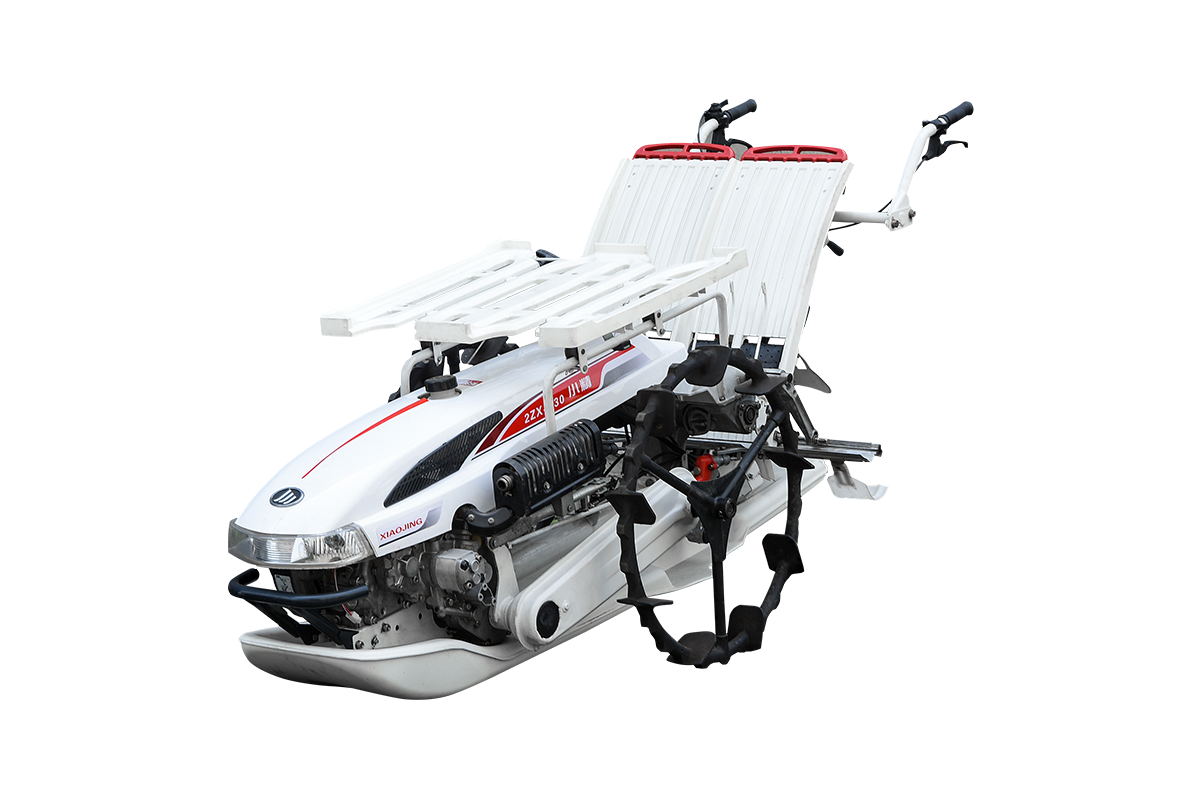
The 2ZX-230 two-row small low-fuel consumption hand-held transplanter is a high-performance machine ...

 2025.12.01
 Industry News
In modern agriculture, pesticide spraying vehicles are critical for protecting crops and ensuring effective pest control. To ensure these vehicles operate efficiently and reliably, regular maintenance and servicing are essential. A well-maintained spraying vehicle not only enhances spraying performance but also extends the vehicle's lifespan and reduces the likelihood of costly repairs. This article provides a detailed guide on the maintenance and service intervals for pesticide spraying vehicles, outlining the necessary procedures at various service intervals.
Daily checks are the foundation of maintaining pesticide spraying vehicles. Before and after every use, a series of routine inspections are necessary to ensure that the vehicle and spraying system are functioning properly. These checks typically include:
Spray System and Nozzles: Inspect spray nozzles for blockages and ensure that spray patterns are uniform. Clean or replace any clogged nozzles to maintain consistent application.
Hydraulic System: Check the hydraulic fluid levels and ensure there are no leaks. Proper hydraulic fluid levels are crucial for the smooth operation of the spraying mechanism.
Engine and Power System: Verify that the engine oil, coolant, and fuel systems are in good condition. Ensure there are no signs of leaks or damage, and the engine is running smoothly.
Tires and Brakes: Inspect tire pressure and condition, ensuring there are no punctures or wear. Check the brake system to ensure it is functioning properly for safe operation.
Daily maintenance is essential for preventing minor issues from escalating into major problems, ensuring that the vehicle operates efficiently with minimal downtime.
In addition to daily checks, pesticide spraying vehicles should undergo monthly routine maintenance. This monthly servicing involves a more thorough inspection and servicing of key components to maintain optimal performance. The main areas to focus on include:
Spray Equipment Calibration and Cleaning: Check the entire spraying system, including the spray pump and nozzles, for any signs of wear or clogging. Clean and calibrate the system to ensure proper spray volume and coverage.
Engine Maintenance: Inspect the engine air filter, fuel filter, and cooling system. Clean or replace filters as needed, and ensure the cooling system is free of debris and functioning properly.
Hydraulic System Inspection: Check the hydraulic fluid for contamination and ensure the hydraulic hoses and pumps are in good working order. Change the hydraulic oil if necessary.
Pesticide Delivery System Check: Inspect the pesticide tank, pipes, and filters for any leaks or blockages. Make sure the liquid flows properly and the system is free of residue that could affect performance.
Performing routine maintenance every month ensures that the pesticide spraying vehicle remains in top condition, preventing performance issues that could arise from neglected components.
Seasonal deep maintenance should be carried out at least once per season, typically at the start or end of the busiest spraying periods. This deeper level of maintenance addresses the wear and tear accumulated over the course of the season and ensures the vehicle is prepared for upcoming tasks. Key areas of seasonal maintenance include:
Engine Overhaul: Perform a comprehensive check of the engine's compression system, ignition system, and fuel system. Clean or replace components as necessary to keep the engine running efficiently. Replace engine oil, check the fuel system for leaks, and ensure the engine is ready for another busy season.
Spray System Full Inspection: Conduct a detailed inspection of all spray components, including the pump, spray hoses, nozzles, and filters. Clean or replace clogged nozzles, adjust spray pressure, and ensure that the spraying pattern is consistent.
Hydraulic System Maintenance: Inspect the entire hydraulic system, including hydraulic pumps, hoses, and cylinders. Replace any worn or damaged parts, and replace hydraulic fluid to maintain system performance.
Cleaning of the Entire Vehicle: Spray vehicles accumulate pesticide residue and dirt, which can affect performance and corrosion resistance. A thorough cleaning of the vehicle, especially the spray system and engine components, helps prevent buildup and damage over time.
Seasonal deep maintenance is essential to ensure the vehicle is prepared for peak operational times and can withstand the demands of the upcoming season, whether it’s a planting season or a busy pest control period.
An annual overhaul is the most thorough maintenance procedure for pesticide spraying vehicles and should be done once every year, preferably after the spraying season ends. The annual inspection is an opportunity to address any long-term issues that may have developed and to prepare the vehicle for the next cycle of use. Key tasks during the annual overhaul include:
Complete Engine Overhaul: Conduct a full inspection of the engine, including its internal components. Clean the fuel system, check the ignition system, and replace any worn-out parts. Perform a full oil change and check the engine for any potential issues.
Comprehensive Spray System Check: Inspect and clean the entire spraying system, including pumps, filters, nozzles, and spray hoses. Calibrate the system to ensure it meets the required spraying standards. Any worn or damaged components should be replaced to ensure optimal spraying performance.
Hydraulic System Replacement: Examine the hydraulic pumps, valves, and hoses. Replace any worn or faulty parts and change the hydraulic fluid. An efficient hydraulic system is crucial for the smooth operation of the spraying mechanism.
Tires and Brakes Check: Inspect the tires for wear and replace them if necessary. Check the braking system for wear and tear and replace brake pads or components as needed to ensure safety.
Full Vehicle Inspection: Inspect the entire vehicle for any signs of wear and tear, including the chassis, electrical systems, and control mechanisms. Perform any necessary repairs to keep the vehicle in working order.
Annual overhauls ensure that the vehicle remains in peak condition, identifying and fixing issues that could affect performance or safety in the following year.
Adhering to a regular maintenance schedule for pesticide spraying vehicles is essential to their long-term reliability. Regular checks and servicing prevent minor issues from becoming major breakdowns, reduce the risk of operational delays, and enhance the overall efficiency of pesticide application. Furthermore, properly maintained vehicles are more environmentally friendly, as they apply pesticides more precisely, reducing waste and minimizing the impact on the surrounding environment.
Proper maintenance also helps extend the lifespan of the vehicle and its components, saving on costly repairs and replacement. By following the recommended service intervals, operators can avoid expensive emergency repairs and ensure that the vehicle is always ready for action when needed.
 Custom Agricultural Equipment Manufacturers