

 No. 1819, Renmin West Road, Cao'e Street, Shangyu District, Shaoxing City, Zhejiang Province, China

 English
 中文简体
中文简体 русский
 Español
 عربى
عربى
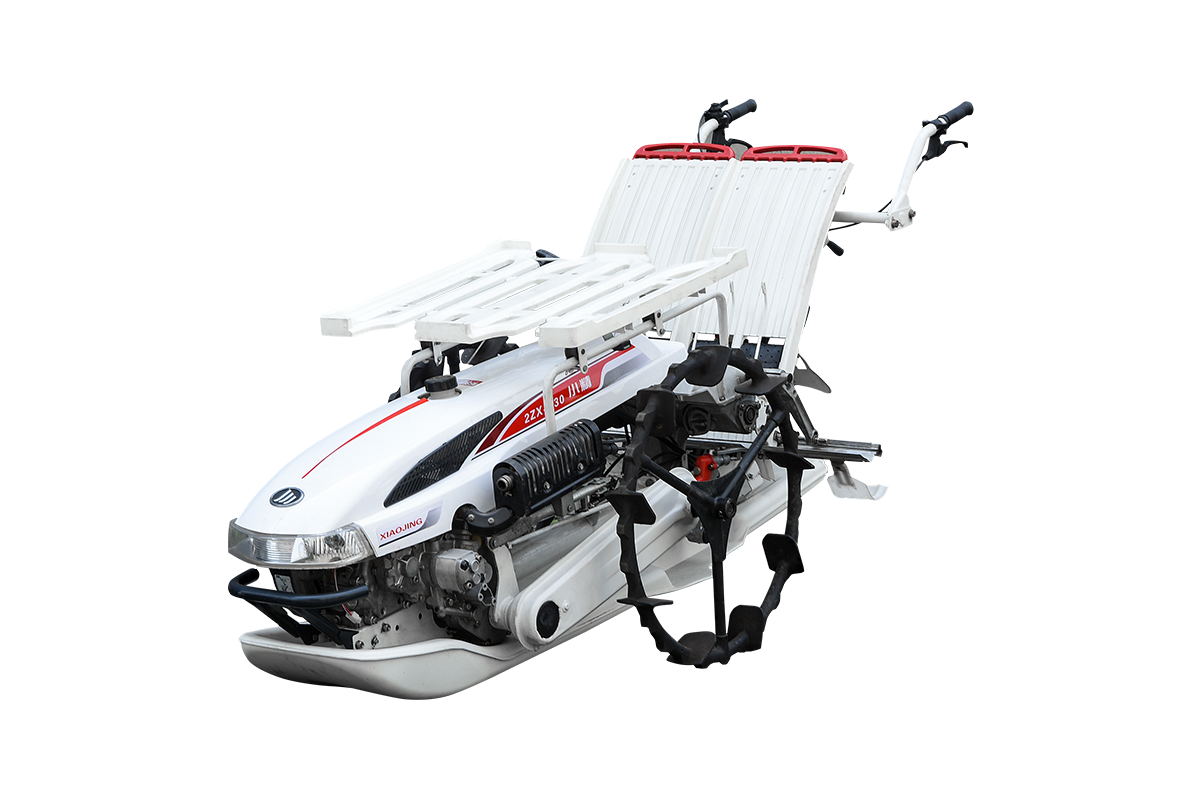
The 2ZX-230 two-row small low-fuel consumption hand-held transplanter is a high-performance machine ...

 2026.07.20
 Industry News
Tea garden managers evaluating a Tea Picking Trimmer or a Tea Picking Machine are usually solving the same problem from two directions: keeping the plucking surface even throughout the season, and moving enough fresh leaf off the bushes before the harvest window closes. Factory-built trimming and harvesting equipment is engineered around both requirements at once, combining blade geometry, engine output, and frame weight into a machine that can be operated for a full working day without fatigue. This section looks at how trimming equipment is engineered, how it is matched to different pruning stages, how the two recognized plucking methods differ in practice, and how a field crew actually carries out a pass through the rows.
The equipment choice also depends heavily on garden layout and planting age structure. A single estate often contains blocks at several different life stages at once, young formative rows planted within the last three years, mature bearing blocks in full annual production, and older sections due for canopy renewal. Running one machine class across all of these stages rarely gives the best result, which is why many operations keep a lighter handheld trimmer for detail work near young plants and a heavier self-propelled unit for wide, level blocks where cutting volume matters more than fine control. The sections below break down the technical reasoning behind that split, along with the field procedures that keep either machine class performing at its rated output through a full season.
A trimming machine built on a production line, rather than assembled from generic parts, is tuned as a complete system: the blade reciprocation speed, the engine torque curve, and the handle geometry are all calibrated together. The cards below outline the engineering points that most directly affect field performance.
Blades are stamped from heat-treated carbon steel and finished with a wear-resistant coating, allowing them to hold a clean cutting edge through repeated contact with woody stems without frequent resharpening. The heat-treatment process controls edge hardness while keeping the blade body flexible enough to absorb impact from harder stems without cracking, which is the main reason factory-tempered blades outlast blades finished with a single hardening pass.
Two-stroke or four-stroke power units are selected so that cutting torque is sufficient for mature stems while total unit weight stays low enough for sustained handheld or self-propelled operation. Engine mounting position is also tuned during design so the center of mass sits close to the operator's natural carrying point, reducing strain across an eight-hour shift.
A threaded or pinned height adjuster lets the operator raise or lower the blade bar in small increments, which matters when moving between young formative plants and older bearing bushes in the same session. Fine increments matter most on plucking-surface maintenance, where even a one-centimeter error compounds across a full growing season into a visibly uneven canopy.
Rubber-isolated grips and a balanced center of gravity reduce hand and arm fatigue during long rows, which keeps cutting depth consistent from the first row to the last. Reduced vibration transfer also lowers the risk of repetitive strain injury for crew members who operate the same machine across consecutive working days.
Frame components are finished to resist the moisture and plant sap exposure typical of tea garden work, extending service life across multiple pruning and plucking seasons. Fasteners and drive linkages are similarly treated, since these smaller components are often the first point of failure on machines built with untreated hardware.
Before leaving the factory, each unit is run under load to check blade alignment, engine idle stability, and vibration levels, so field issues are caught before the machine reaches the garden. Test data for each unit is logged against the model's baseline specification, giving a documented reference point for later maintenance comparisons.
Not every trimming or picking machine cuts the same way, and the mechanism behind the blade affects both the finish quality of the cut and the type of pruning work the machine is suited for. Reciprocating bar blades, the most common configuration on dedicated tea equipment, use two interlocking tooth bars sliding against each other at high frequency, producing a clean shearing cut that closely resembles a hand-pruned finish and causes minimal tearing of the stem tissue. Rotary blade systems spin a single cutting disc or set of blades at high speed and tend to move through material faster, but the impact-style cut is more prone to leaving frayed stem edges, which can slow wound healing on woody pruning cuts. Disc-mounted cutting heads sit between the two, often used on tractor-mounted or heavy rejuvenation equipment where raw cutting throughput on thick, aged wood matters more than a fine surface finish. Selecting the right mechanism for the job is as important as selecting the right engine size, since a reciprocating blade on a light annual trim and a heavier rotary or disc system on rejuvenation work each deliver a better outcome than swapping the two roles.
| Blade Mechanism | Cut Quality | Best Application |
| Reciprocating Bar Blade | Clean shearing cut, low stem tearing | Light and annual pruning, plucking-surface maintenance |
| Rotary Blade | Fast but higher stem fraying | Batch mechanical plucking on level rows |
| Disc-Mounted Cutting Head | High throughput on thick wood | Deep and rejuvenation pruning of aged plantings |
Understanding how to trim tea plants starts with recognizing that a tea bush moves through distinct structural stages, and each stage calls for a different cutting depth and, often, a different class of trimmer. Formative pruning on young plants is about shaping the frame, not removing volume, so a light handheld unit with a narrow cutting bar gives the operator better control near the base of the plant. Once a bush enters full bearing, light annual pruning is used to keep the plucking table level, and a dual-handle reciprocating trimmer covers a wider swath per pass, which shortens the time needed per row. Older or stressed plantings need deep or hard pruning to remove exhausted wood and force new growth from lower buds, and this heavier cutting load is where a self-propelled unit with higher engine torque becomes the more efficient choice, since it can sustain deeper cuts across a full block without operator fatigue becoming the limiting factor.
Cutting angle is a detail that gets overlooked as often as cutting depth, but it has a direct effect on how evenly the next flush comes in. Holding the blade bar parallel to the row and tilting it five to ten degrees to follow the natural curve of the canopy produces a rounded cut surface that sheds water instead of trapping it against fresh wounds, which lowers the risk of fungal entry after a cut. Operators working formative and light pruning stages typically walk the row at a steady pace with the blade bar held level, while deep and hard pruning passes are usually taken more slowly, in some cases with a second pass along the same line, to reach the target depth without stalling the engine on thicker wood.
| Pruning Stage | Plant Age / Condition | Recommended Equipment | Typical Cutting Depth |
| Formative Pruning | 1–3 years, young frame-building stage | Light handheld Tea Picking Trimmer | One-third of stem height |
| Light Pruning | Mature, in annual bearing cycle | Dual-handle reciprocating trimmer | 3–5 cm off the canopy surface |
| Deep Pruning | Declining vigor, every 4–5 years | Heavy-duty self-propelled trimmer | 10–15 cm below canopy surface |
| Hard / Rejuvenation Pruning | Severely aged or damaged plants | High-torque self-propelled or mounted cutter | 15–30 cm, near the main framework |
The question of what are the two types of tea plucking comes up constantly when a garden is planning its equipment budget, because the answer directly decides which class of machine belongs in the shed. The two recognized approaches are selective hand plucking, where a picker chooses individual bud sets by eye and feel, and batch mechanical plucking, where a Tea Picking Machine removes an entire layer of shoots across the canopy surface in one pass. Selective plucking remains the standard for premium single-bud or two-leaves-and-a-bud grades, since human judgment can still outperform any blade when the target is a specific leaf position. Batch mechanical plucking is the practical answer whenever the harvest window is short, labor is limited, or the finished leaf is destined for grades that tolerate a mixed leaf profile. Many gardens run both methods side by side, reserving the top blocks for hand work and routing the remaining acreage through mechanized passes.
The gap between the two methods narrows considerably once the canopy has been trained through a few seasons of consistent light pruning. A well-leveled plucking table produces a shoot layer that grows in at a fairly uniform height, and this is exactly the condition under which mechanical plucking approaches the leaf uniformity of hand work. Gardens that skip regular skiffing and light pruning tend to see wider quality gaps between the two methods, since an uneven canopy forces the machine to either cut too high and miss shoots in low spots, or cut too low and take excess mature leaf along with the tender flush. In practice, canopy management and plucking method selection are decisions that reinforce each other rather than sitting in separate planning categories.
| Comparison Point | Selective Hand Plucking | Batch Mechanical Plucking |
| Daily Output per Operator | Approximately 20–30 kg fresh leaf | 300–600 kg fresh leaf per machine |
| Leaf Uniformity | High, near single-bud precision | Moderate, mixed leaf and shoot ages |
| Best Suited Grade | Premium and specialty grades | Standard and bulk processing grades |
| Terrain Requirement | Works on steep or irregular rows | Best on level, evenly spaced rows |
| Typical Equipment | Hand tools, no powered cutting | Tea Picking Machine with collection system |
Once the equipment class is chosen, the practical question becomes how do they pick tea leaves in the field without damaging the canopy or losing yield to poor technique. A mechanized pass is a coordinated two-person task on most reciprocating models, and the sequence below reflects the order those steps are actually carried out in a working row, which is why it is presented as a numbered process rather than a general list.
Before starting the row, the crew checks that the plucking surface is level along its length, since an uneven surface causes the machine to skip low sections and over-cut high ones.
The blade clearance is set to match the average shoot length in that block, tighter for young tender flushes and slightly wider when shoots have grown past the ideal picking size.
On dual-handle units, one operator on each side of the row controls speed and pressure, while a third crew member manages the collection bag and clears blockages.
A consistent walking pace keeps the cut clean; moving too fast leaves uncut shoots behind, while moving too slowly increases leaf breakage at the blade edge.
A fan draws cut leaf into the collection bag as the blade cuts, and the crew watches for airflow drops that signal a clog before it backs up onto the blade bar.
Sap residue is wiped from the blade edge at the end of each row or field block, and the edge is checked for nicks that would affect the next pass.
Most performance complaints about trimming and picking equipment trace back to a small set of recurring causes, and field crews who can recognize the symptom quickly lose far less working time than crews who wait for the machine to stop entirely. The table below lists the issues that come up most often during a working season, along with the usual cause and the corrective action that resolves it.
| Symptom | Likely Cause | Corrective Action |
| Uneven cut line along the row | Blade bar not level, or operator walking pace inconsistent | Re-check height adjuster on both sides, maintain steady walking speed |
| Frequent leaf clogging in collection duct | Fan speed mismatched to leaf volume, or damp leaf conditions | Clear duct, adjust engine throttle, avoid plucking directly after rain |
| Blade dragging instead of shearing | Worn or nicked cutting edge | Sharpen or replace blade bar, check for bent teeth |
| Engine loses power on deep cuts | Cutting depth exceeds engine torque rating for that pass | Reduce depth per pass, take a second lighter pass instead |
| Excessive vibration during operation | Loose blade fasteners or worn engine mounts | Torque-check fasteners, inspect rubber isolators for wear |
The question of how is pruning done in tea gardens over a full year is really a scheduling question as much as a technique question. Timing pruning around the plant's dormancy and flush cycles determines how quickly the canopy recovers and how even the next flush will be. The calendar below reflects a general warm-climate tea production cycle; growers at higher elevation or in cooler climates typically shift each window later by several weeks.
| Season / Window | Pruning Type | Purpose | Recommended Equipment |
| Early Spring, Before First Flush | Light Pruning | Stimulate even new shoot emergence | Handheld Tea Picking Trimmer |
| Late Spring, After First Flush | Skiffing / Surface Leveling | Maintain a flat plucking table | Dual-handle reciprocating trimmer |
| Post-Harvest, Autumn | Deep Pruning | Renew canopy wood and set next season's frame | Self-propelled trimmer, higher torque |
| Winter Dormancy | Hard Pruning, as needed | Rejuvenate aged or damaged plantings | High-torque self-propelled or mounted cutter |
For gardens covering larger acreage, a self-propelled unit removes walking fatigue from the equation entirely by carrying its own drive system along the row, with the operator guiding rather than pushing the machine. This class of equipment is typically fitted with a wider cutting bar than a handheld trimmer, a larger fuel tank for extended field time, and a reinforced frame to support the added drivetrain weight. The specification ranges below reflect the general engineering envelope for this equipment category.
| Specification | Typical Range |
| Engine Power | 2.5 – 4.5 kW |
| Cutting Width | 600 – 1200 mm |
| Cutting Height Adjustment Range | 400 – 900 mm from ground level |
| Fuel Tank Capacity | 1.2 – 2.5 liters |
| Drive System | Self-propelled, walk-behind guided |
| Blade Type | Reciprocating hardened steel bar blade |
| Working Efficiency | Up to 0.3–0.5 hectares per working day |
| Net Machine Weight | 45 – 85 kg, model dependent |
Garden layout is usually the deciding factor between a handheld model and a self-propelled Tea Picking Machine, more so than budget or acreage alone. The comparison below groups the practical considerations that come up in most equipment planning conversations.
Narrow or terraced rows favor a handheld unit that one or two operators can carry and turn easily, while wide, level rows let a self-propelled machine maintain a longer, uninterrupted pass.
A handheld trimmer typically needs two operators plus a bag handler, while a self-propelled unit can often be guided by a single trained operator for extended stretches.
Where the harvest window is narrow and acreage is large, the wider cutting bar and drive system of a self-propelled machine covers more ground per working day.
Self-propelled units remove most of the walking and carrying load from the operator, which matters most on long shifts during peak pruning or plucking periods.
Equipment reliability in the field is decided long before a machine reaches a tea garden, at the raw material and assembly stage. A production process built around repeatable checkpoints is what allows a trimming or picking machine to perform consistently across different climates, altitudes, and leaf conditions.
Steel stock for blades and structural components is checked for hardness and consistency before it enters production, so finished blades hold their edge under repeated cutting cycles.
Each engine mount, drive coupling, and blade bar is torque-checked at fixed assembly stations, reducing the chance of loose fasteners causing vibration issues later.
Completed units are run under simulated cutting load to confirm stable idle, correct blade timing, and acceptable vibration levels before packaging.
Machines are packed with corrosion-inhibiting treatment on exposed metal surfaces and reinforced crating designed to withstand long-distance shipping conditions.
Selecting between a handheld Tea Picking Trimmer and a self-propelled Tea Picking Machine ultimately comes down to three practical factors that any garden manager can measure directly. The first is row width and terrain: narrow, terraced, or sloped rows generally favor a lighter handheld unit that one or two people can maneuver by hand, while wide, level rows allow a self-propelled unit to cover more ground per hour. The second factor is the seasonal cutting load, since light annual pruning places far less demand on an engine than deep or hard pruning of overgrown blocks, and matching engine displacement to that load prevents both under-powered stalling and unnecessary fuel consumption. The third factor is ongoing maintenance support, including access to replacement blade bars, air filters, and drive belts, along with clear guidance on blade sharpening intervals and engine service schedules.
Fuel type and starting system also deserve attention during planning, since gardens at higher altitude or in colder mountain climates often prefer four-stroke engines with reliable cold-starting performance, while lower-elevation operations running the machine for shorter, more frequent sessions may find a lighter two-stroke unit easier to service and refuel between rows. Storage conditions between seasons matter as well; a blade bar left uncleaned after the final pruning pass of the year is one of the most common causes of early corrosion, so a short off-season maintenance routine, cleaning the blade, applying a light protective oil coating, and storing the machine in a dry location, does more for long-term reliability than any single design feature. Gardens that plan equipment purchases around terrain, seasonal cutting load, and maintenance access together, rather than power output alone, typically see longer service life from their trimming and picking equipment and fewer disruptions during the narrow harvest windows when the machines matter most.
 Custom Agricultural Equipment Manufacturers