

 No. 1819, Renmin West Road, Cao'e Street, Shangyu District, Shaoxing City, Zhejiang Province, China

 English
 中文简体
中文简体 русский
 Español
 عربى
عربى
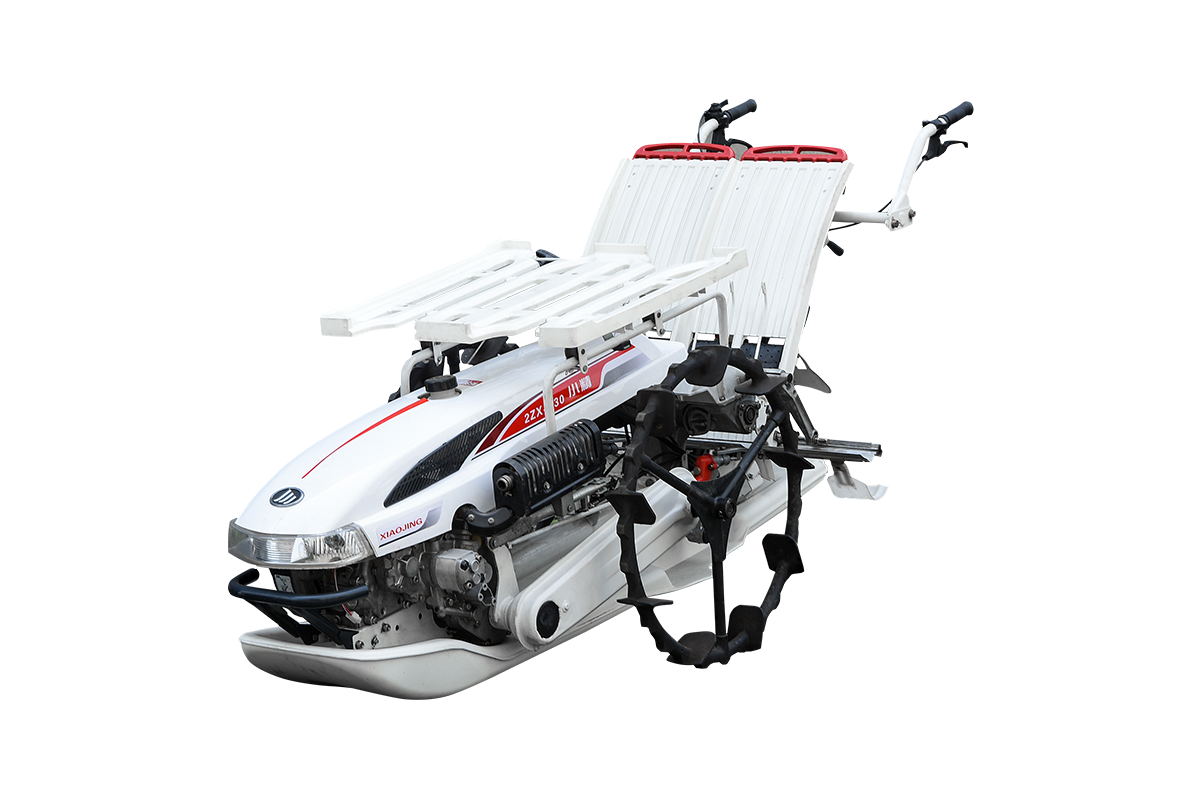
The 2ZX-230 two-row small low-fuel consumption hand-held transplanter is a high-performance machine ...

 2026.03.09
 Industry News
In agricultural production, weeds often interfere with crop growth, particularly during transplanting. Weeds compete with crops for water, nutrients, and light, which can hinder proper plant growth. Additionally, weeds can obstruct the efficient operation of mechanical equipment, reducing productivity.
To ensure smooth crop growth and minimize weed interference, various control measures are often implemented. The use of hand-held vegetable transplanting machines is an effective way to reduce weed interference. These machines can precisely place plants into the soil while minimizing contact with surrounding weeds, thereby reducing weed-related disruptions.
The Two Rows Hand-held Vegetable Transplanter, as an efficient agricultural tool, is designed to effectively avoid weed interference during transplanting. The following features of the machine contribute to its ability to minimize weed-related issues:
This transplanter offers precise control over the planting position of each plant, ensuring that plants are placed in the soil at the correct row spacing and plant spacing. This precision minimizes the likelihood of interacting with weeds, which helps reduce interference during transplanting.
The Two Rows Hand-held Vegetable Transplanter is adaptable to various soil types, including loose sandy soils and hard clay soils. With its ability to work efficiently in different soil conditions, the transplanter can avoid issues caused by dense weeds or soil that may cause blockages in the equipment.
One of the benefits of a hand-held transplanting machine is the increased flexibility and accuracy it offers during operation. Operators can make real-time adjustments based on terrain and soil conditions, effectively reducing the area covered by weeds. This ability ensures that the transplanting zone remains relatively weed-free, limiting the growth space for weeds and reducing competition with crops.
The structure of the Two Rows Hand-held Vegetable Transplanter is specifically designed to mitigate weed interference during transplanting. Several design features contribute to its effectiveness in this regard:
The machine is designed for dual-row planting, which increases operational efficiency and reduces the available space for weeds to grow. By planting crops in two rows with appropriate spacing, the transplanter ensures that there is sufficient space between crops for optimal growth while reducing the likelihood of weeds establishing themselves in the planting area.
The transplanter offers precise control over the planting depth, ensuring that each plant's roots are placed at the ideal depth for growth. This minimizes disturbance to the topsoil and helps avoid the proliferation of surface-level weeds during transplanting.
The cutting and planting tools of the machine are designed for efficient operation. They can accurately cut the soil for planting while minimizing disruption to weeds. The cutting blades are precisely designed to ensure that only the necessary soil is disturbed, reducing the chances of spreading weeds through mechanical disruption.
While the Two Rows Hand-held Vegetable Transplanter is effective in reducing weed interference during transplanting, additional weed control measures can further improve weed management. Combining the transplanter with other methods can provide a comprehensive solution for managing weeds:
In certain regions, farmers can use mulch after transplanting. Applying a layer of mulch over the soil can significantly reduce weed growth by blocking light and suppressing seed germination. It also helps maintain soil moisture and temperature, creating an ideal environment for crops to thrive.
After transplanting, mechanical weed control devices can be used to remove weeds that may still appear in the field. By using a combination of hand-held transplanting machines and mechanical weeding equipment, farmers can ensure that their fields are kept weed-free and their crops have ample room to grow.
In some cases, the judicious use of herbicides can be an effective way to control weeds. When used responsibly, herbicides can complement mechanical and manual weed management methods, ensuring that weeds are controlled without damaging the crops.
 Custom Agricultural Equipment Manufacturers