

 No. 1819, Renmin West Road, Cao'e Street, Shangyu District, Shaoxing City, Zhejiang Province, China

 English
 中文简体
中文简体 русский
 Español
 عربى
عربى
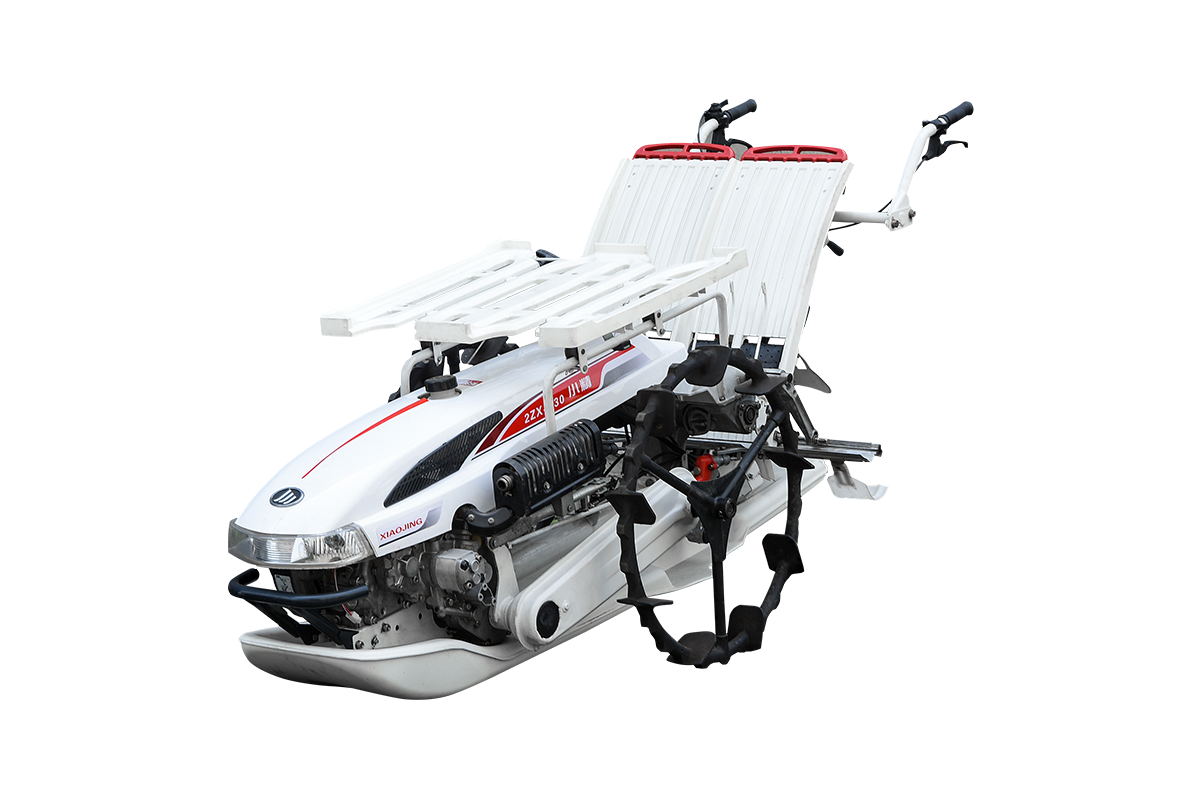
The 2ZX-230 two-row small low-fuel consumption hand-held transplanter is a high-performance machine ...

 2026.05.18
 Industry News
In modern agricultural mechanized production, the efficiency and quality of rice planting directly determine the final yield and economic benefits. With the continuous rise of labor costs and the popularization of large-scale standardized planting, traditional manual transplanting has long been unable to meet the needs of intensive production. Rice Transplanter Machine, as the key equipment to achieve standardized and large-scale rice transplanting, can not only significantly improve operating efficiency, but also ensure the survival rate and greening speed of seedlings through precise control of transplanting depth, hill spacing, and row spacing.
For large-scale rice growers, agricultural cooperatives, and agricultural machinery buyers, choosing a Rice Transplanter Machine with stable performance and matched parameters is the cornerstone to ensure the smooth progress of spring plowing and summer planting.
Using a Rice Transplanter Machine for rice transplanting offers core value in achieving "standardized planting." Compared with manual transplanting, mechanized transplanting has unparalleled technical advantages:
To help agricultural machinery operators and purchasing experts evaluate equipment performance more accurately, the following table lists the comparison of key technical parameters of the two mainstream rice transplanters with different drive structures on the current market. Reasonable evaluation of these parameters is the key to solving actual agronomic needs and reducing later maintenance costs.
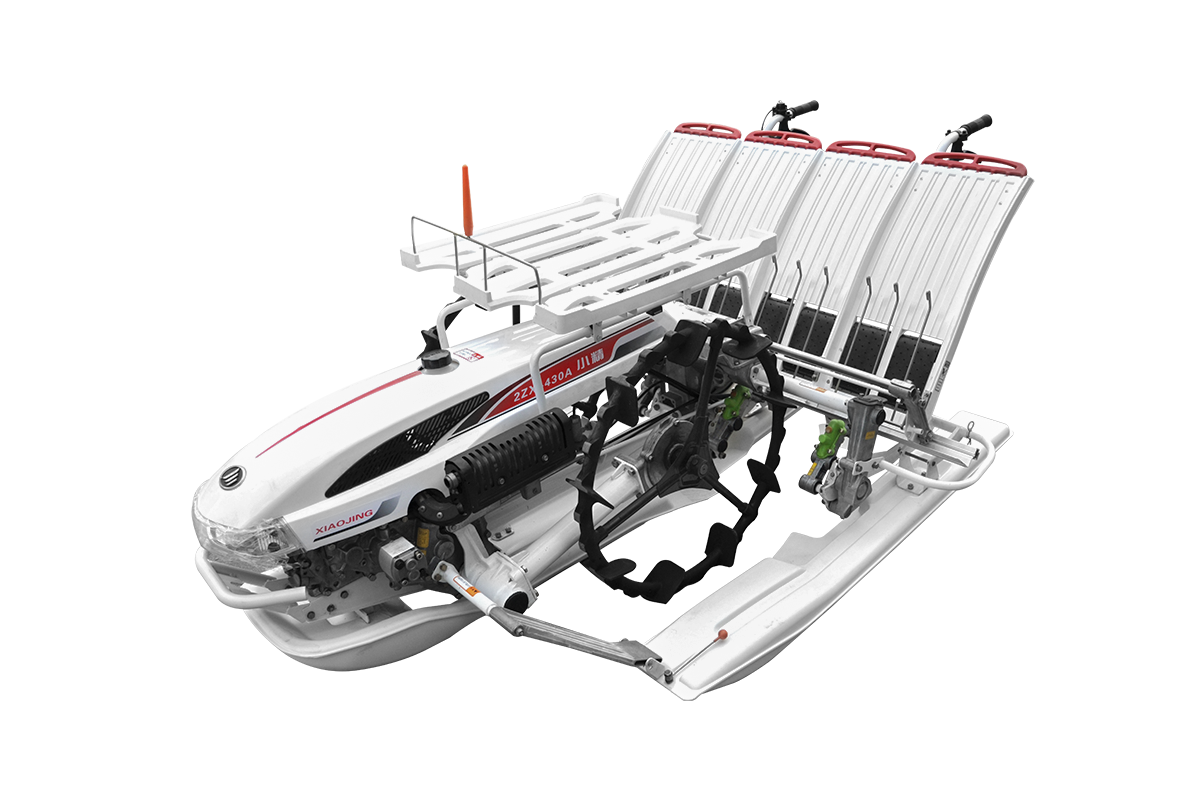
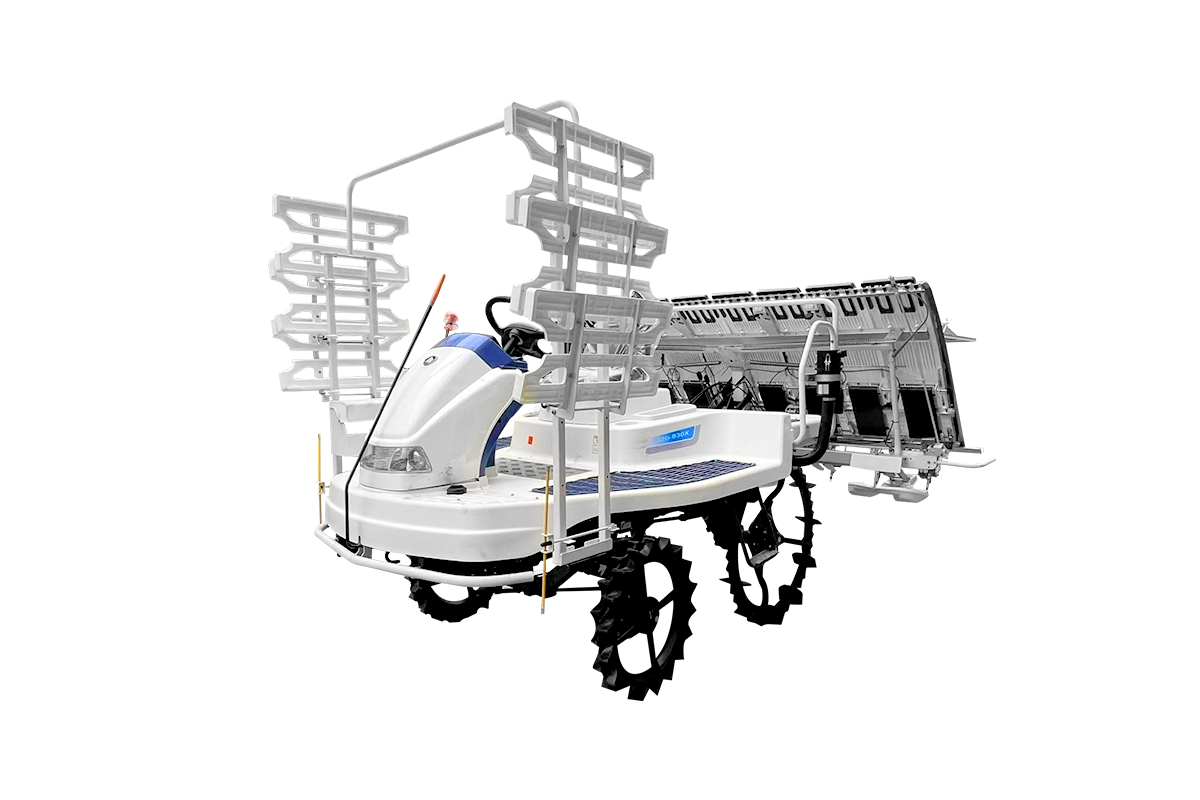
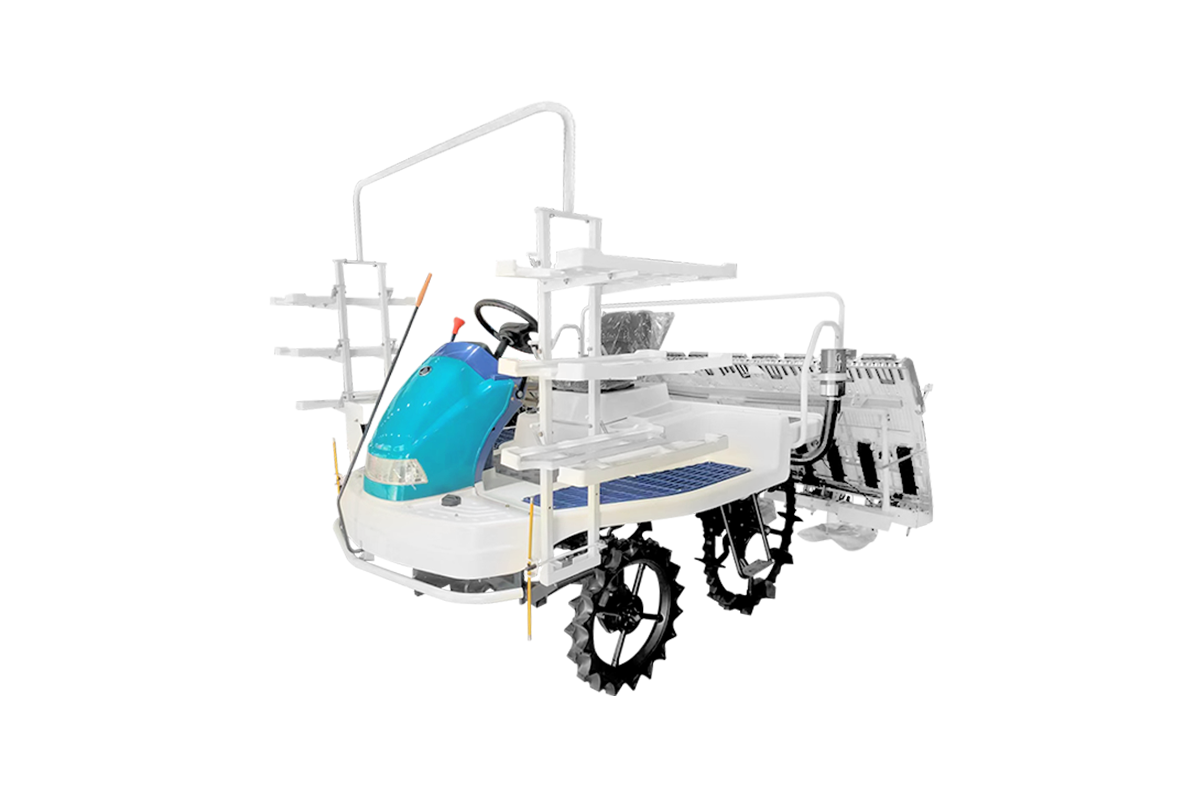
| Technical Parameter Indicators | Walk-Behind Rice Transplanter Machine | Ride-On Rice Transplanter Machine |
| Working Rows | 4 Rows / 6 Rows | 6 Rows / 8 Rows |
| Matched Power | 3.0 kW - 4.5 kW (Gasoline Engine) | 11.0 kW - 18.5 kW (Diesel or High-end Gasoline Engine) |
| Row Spacing | Fixed 300 mm | 250 mm / 300 mm (Customized according to agronomic requirements) |
| Hill Spacing Adjustment Range | 120 mm - 180 mm (Multi-gear mechanical adjustment) | 100 mm - 220 mm (Stepless or multi-stage speed adjustment) |
| Planting Frequency | 200 - 300 hills/min | 355 - 450 hills/min |
| Working Speed | 0.5 - 0.8 m/s | 1.2 - 1.8 m/s |
| Hourly Operating Efficiency | 0.17 - 0.30 hectares/hour | 0.53 - 1.00 hectares/hour |
| Seedling Tray Capacity | 4 - 6 Trays | 12 - 20 Trays (Equipped with spare seedling tray racks) |
| Seedling Damage Rate | Less than 1.0% | Less than 0.5% |
| Missing Hill Rate | Less than 2.0% | Less than 1.0% |
In actual field operations, users often face technical problems such as missing hills, seedling damage, or lodging. To solve these pain points, besides relying on a high-precision Rice Transplanter Machine, it is also necessary to strictly follow the agronomic cooperation standards of mechanized transplanting.
Mechanical transplanting uses blanket seedlings with soil. The root system of the seedlings must be intertwined into a blanket shape and not fall apart when lifted. Generally, the seedling leaf age is required to be between 2.5 leaves and 3.5 leaves, and the seedling height is controlled at 12-20 cm. If the seedlings are too high, the picking needles of the Rice Transplanter Machine are likely to cause stem breakage when grabbing; if they are too low, they can easily be buried in the mud.
Field leveling before transplanting is crucial, and the field surface height difference should not exceed 3 cm. More critical is the mud sedimentation time. Sandy soil needs to settle for 1-2 days after leveling, and clay soil needs to settle for 2-3 days. If the Rice Transplanter Machine operates immediately after field preparation, the mud will be too thin, leading to floating seedlings and uncontrolled depth; if the sedimentation time is too long and the soil hardens, it will increase the resistance of the picking needles, resulting in a sharp rise in seedling damage rate and missing hill rate.
During operation, the vertical seedling picking amount (usually 11-14 mm) and horizontal feeding frequency should be adjusted according to the actual density of the seedlings. If the missing hill rate is found to increase, the tension of the seedling feeding belt and whether the picking needles are worn should be checked in time. If the tip of the picking needle becomes blunt, it must be replaced immediately to ensure that each separation of the seedling block is clean and quick.
 Custom Agricultural Equipment Manufacturers