

 No. 1819, Renmin West Road, Cao'e Street, Shangyu District, Shaoxing City, Zhejiang Province, China

 English
 中文简体
中文简体 русский
 Español
 عربى
عربى
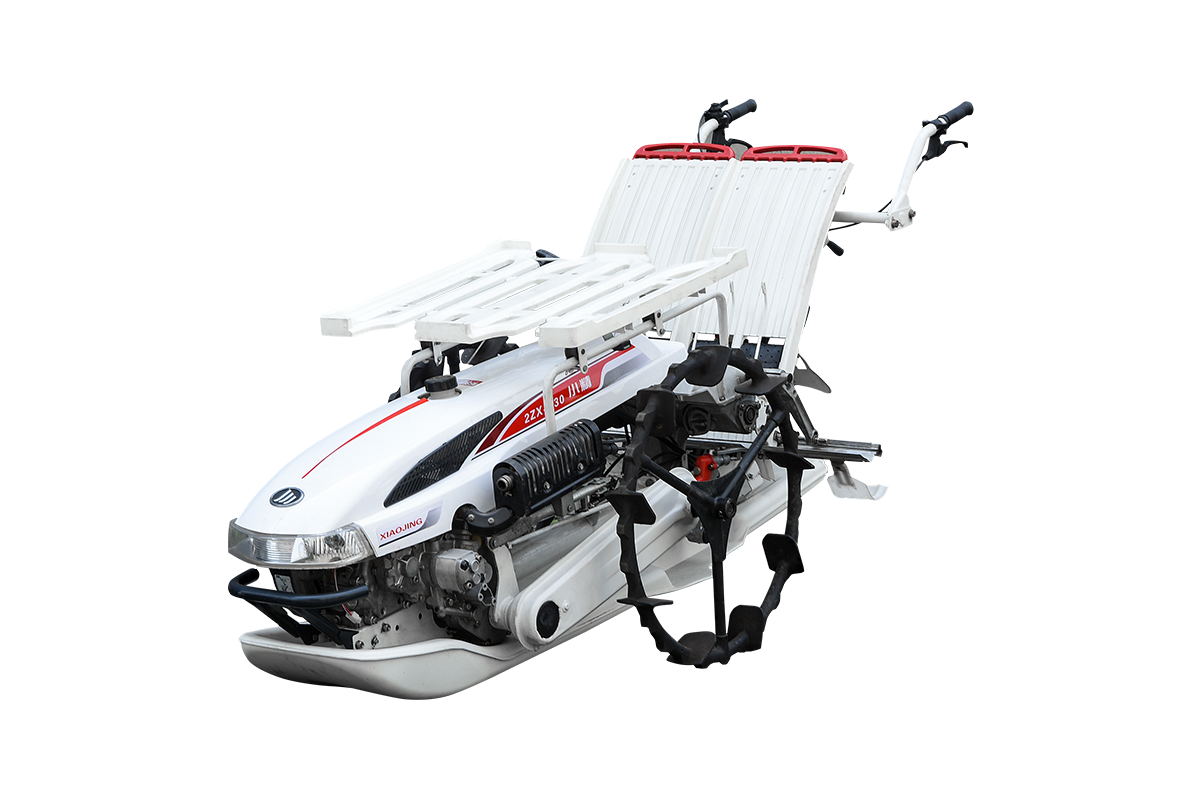
The 2ZX-230 two-row small low-fuel consumption hand-held transplanter is a high-performance machine ...

 2025.02.17
 Industry News
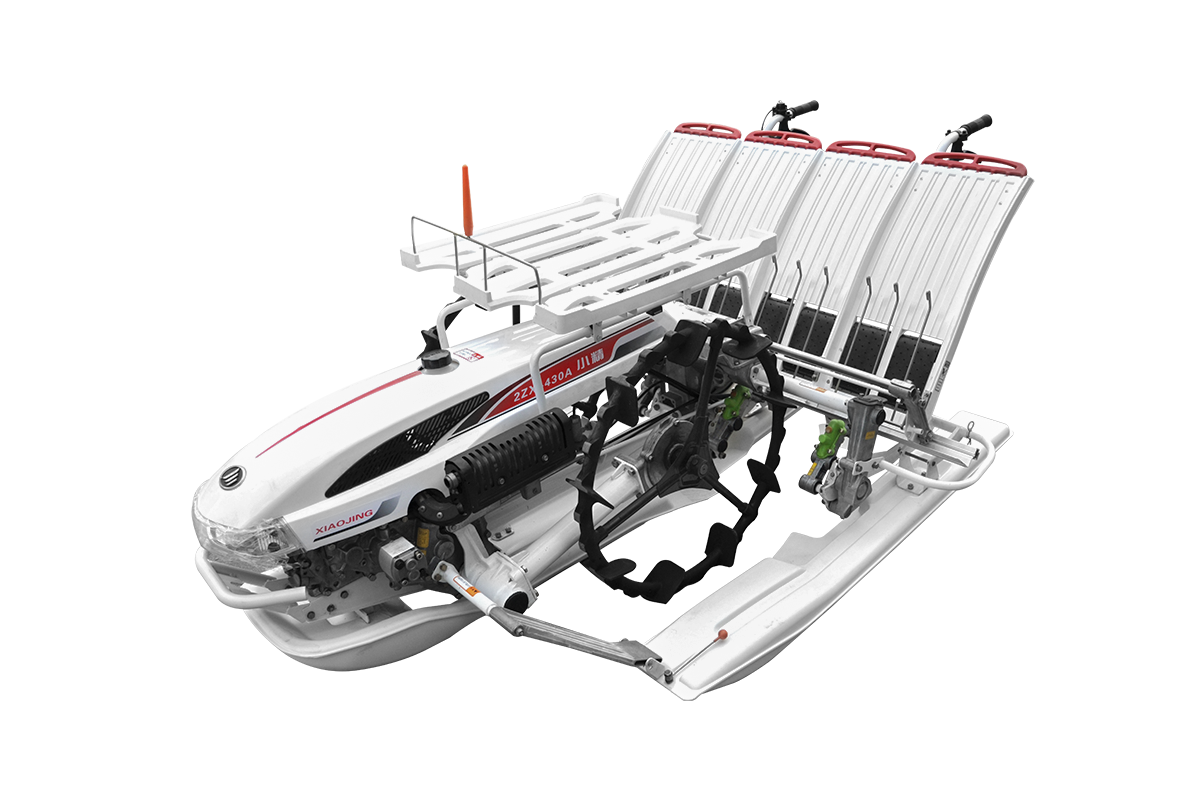
The fuselage structural design of the rice transplanter fully reflects the perfect combination of rationality and compactness. This design enables the transplanter to flexibly cope with various complex terrains and plots of different sizes when operating in the field. The compact structure not only effectively reduces the footprint and improves space utilization, but also facilitates storage and transportation, thereby significantly reducing the logistics costs in the agricultural production process. At the same time, the reasonable fuselage layout ensures the close cooperation between the various components, forming an efficient and stable operating system, and ensuring the continuity and stability of the transplanting process.
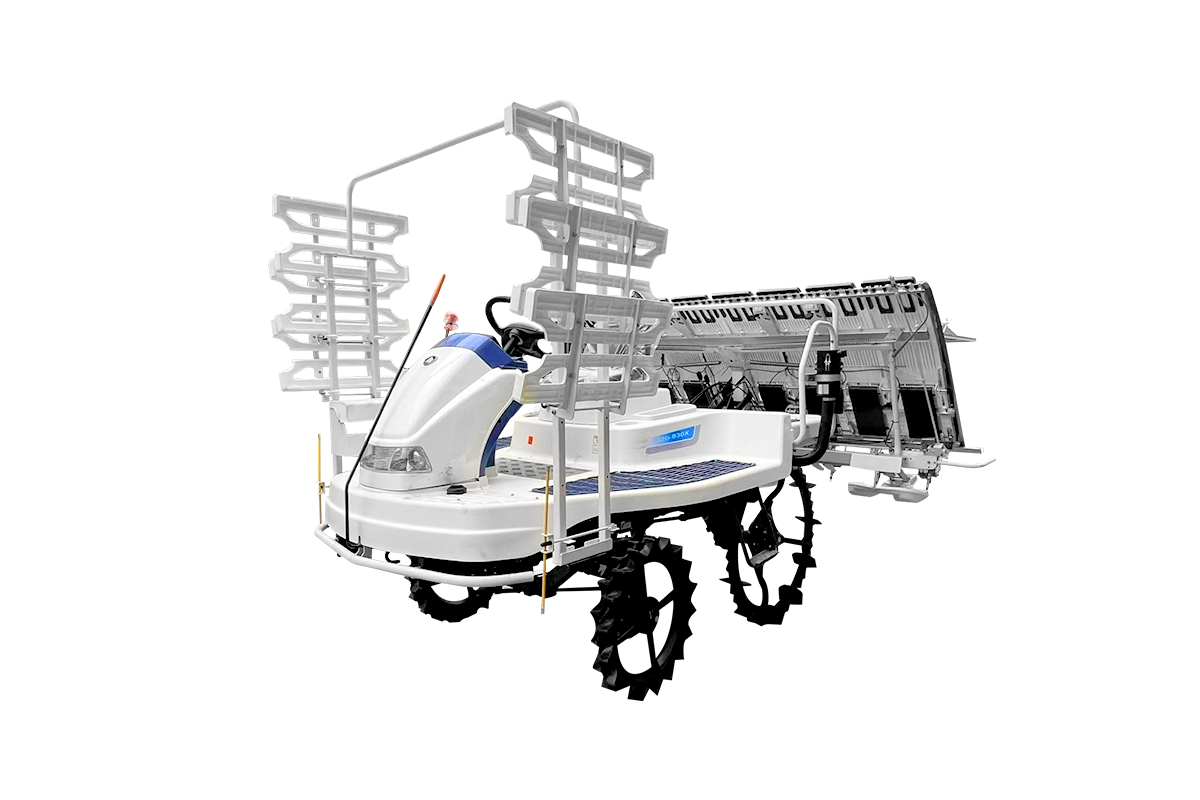
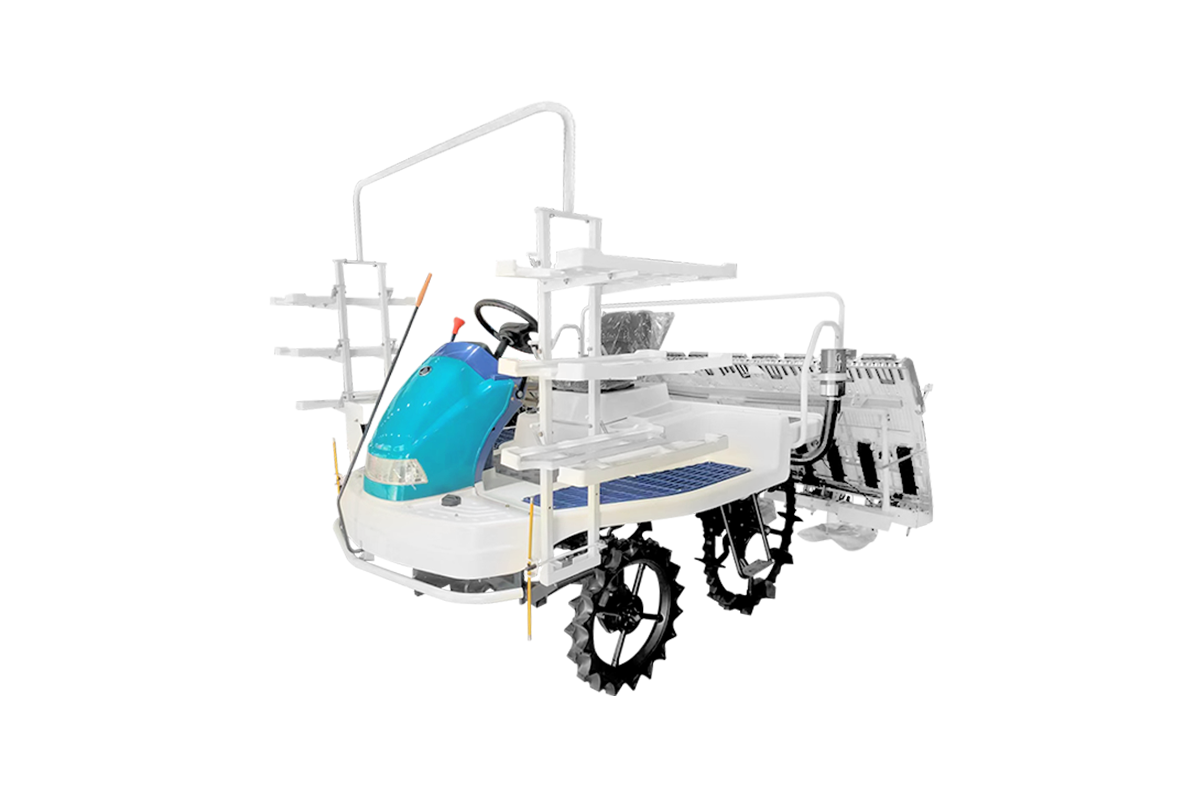
In the fuselage structural design, ergonomic principles are fully integrated to improve the comfort and efficiency of operators during long-term operations. The design of the operating platform conforms to the natural posture of the human body, significantly reducing the fatigue of the operator, thereby improving the operating efficiency. In addition, the fuselage is also equipped with an advanced control system, which enables the operator to easily adjust key parameters such as transplanting speed and transplanting depth to achieve precise control of the transplanting process. This design not only improves the operator's operating experience, but also ensures the stability and consistency of transplanting quality.
The rice transplanter is particularly outstanding in durability and reliability. The main body of the machine is made of high-strength, corrosion-resistant materials, which can effectively resist the wear and tear caused by harsh field environments and long-term operations. Key components, such as the transmission system and transplanting mechanism, are made of precision manufacturing processes and high-quality materials to ensure that they can maintain excellent performance and stability under high-intensity operating environments. This design not only extends the service life of the transplanter, but also significantly reduces maintenance costs and time costs, thereby improving the overall benefits of agricultural production.
In addition, the design of the rice transplanter also focuses on the integration of intelligence and automation. By introducing advanced sensors and control systems, the transplanter can monitor the operating status in real time and automatically adjust the operating parameters to adapt to different operating requirements.
 Custom Agricultural Equipment Manufacturers