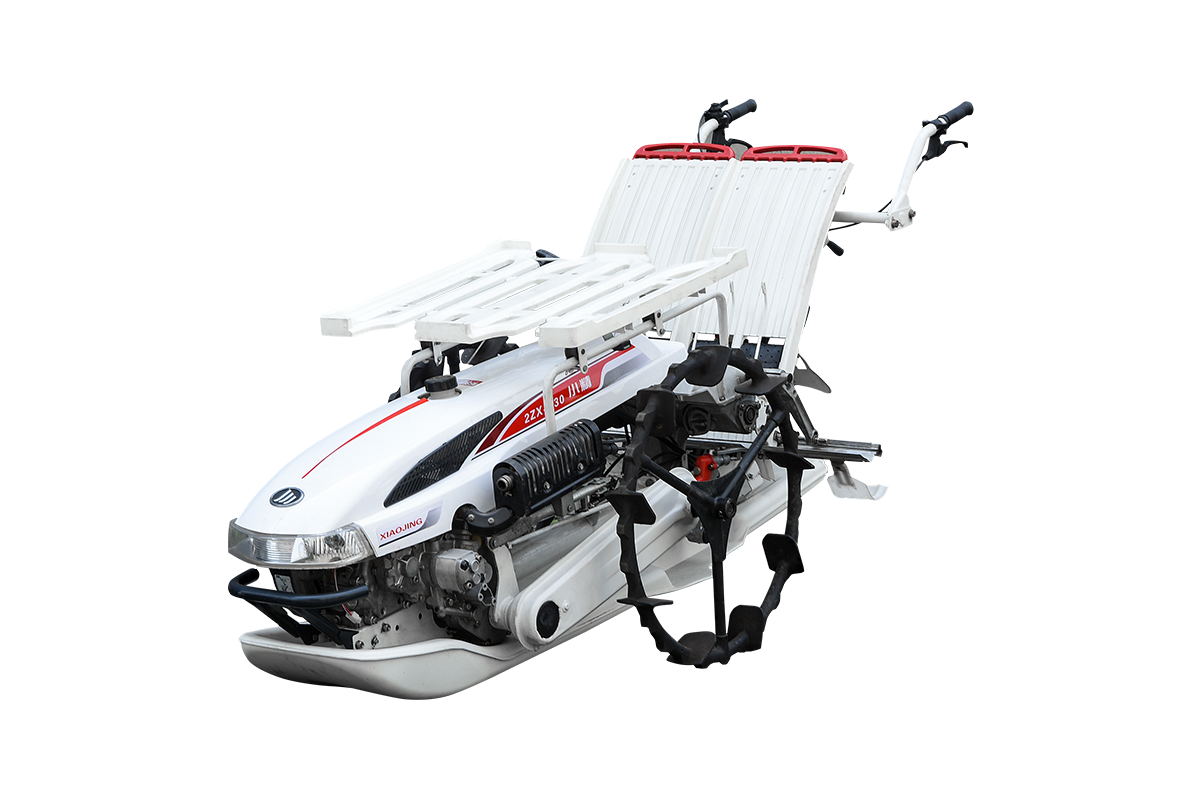
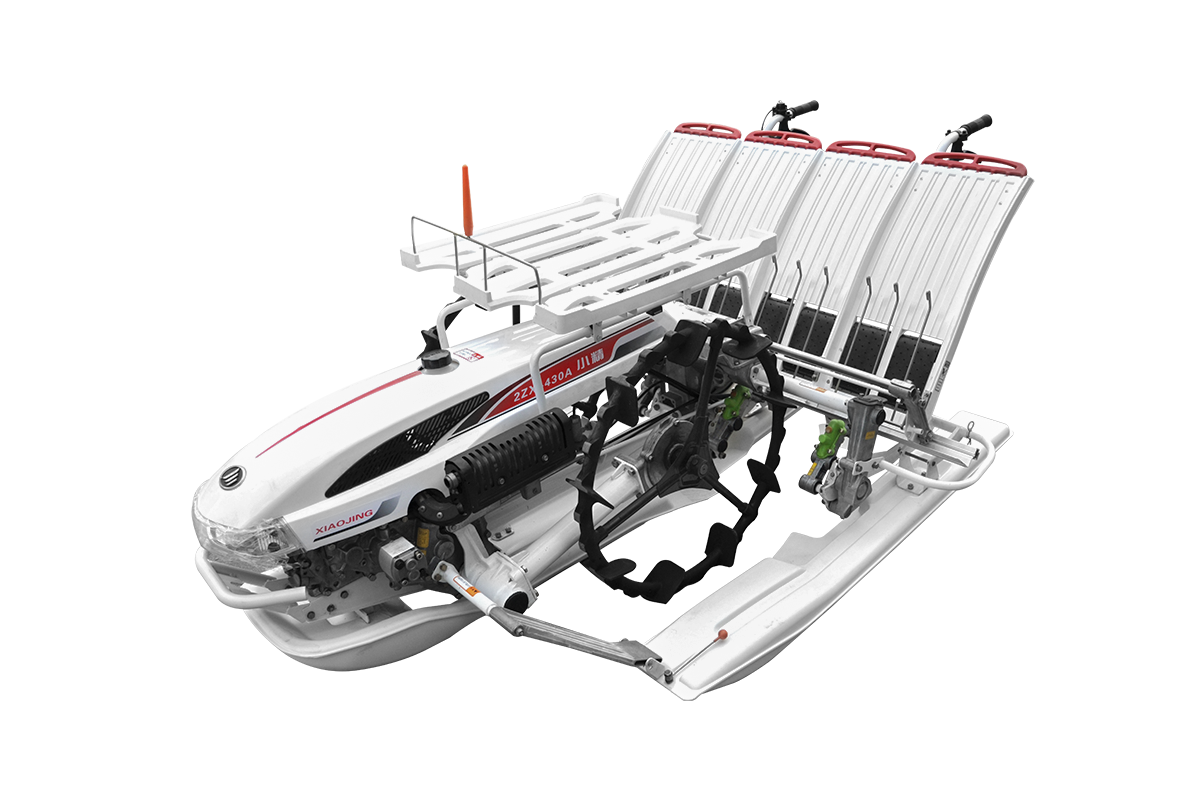
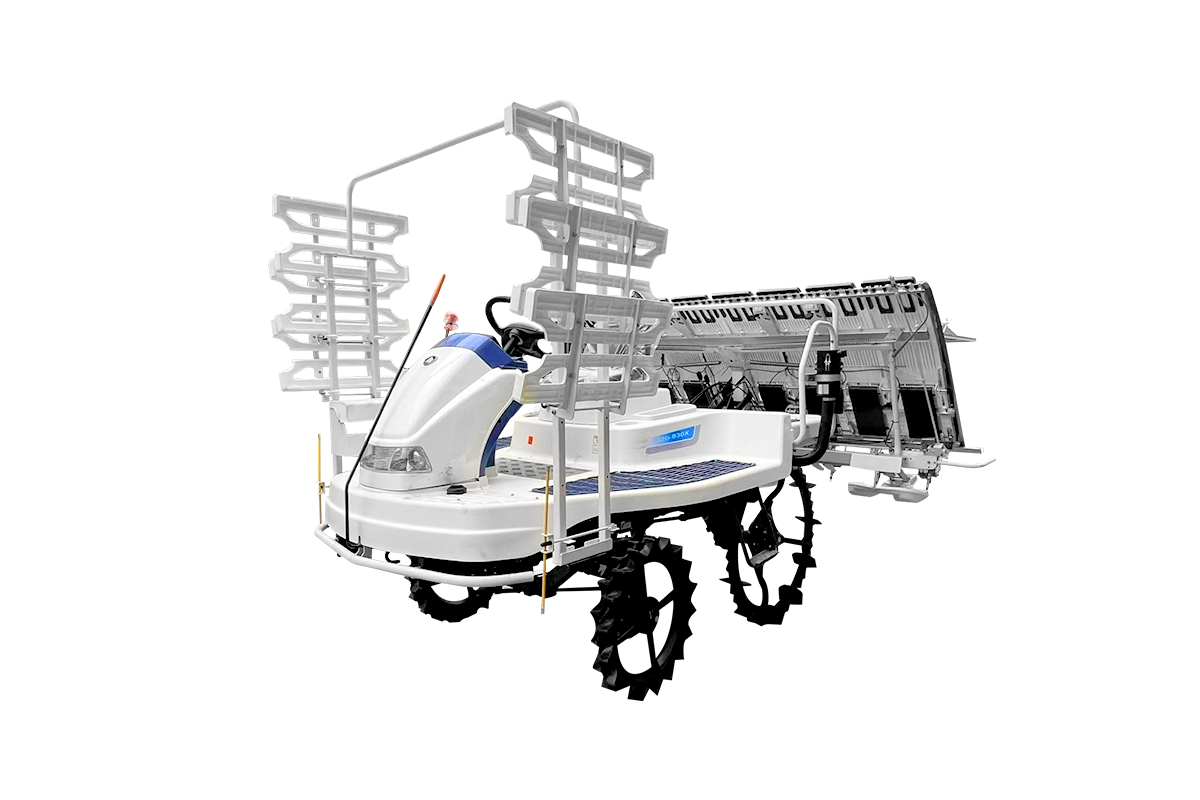
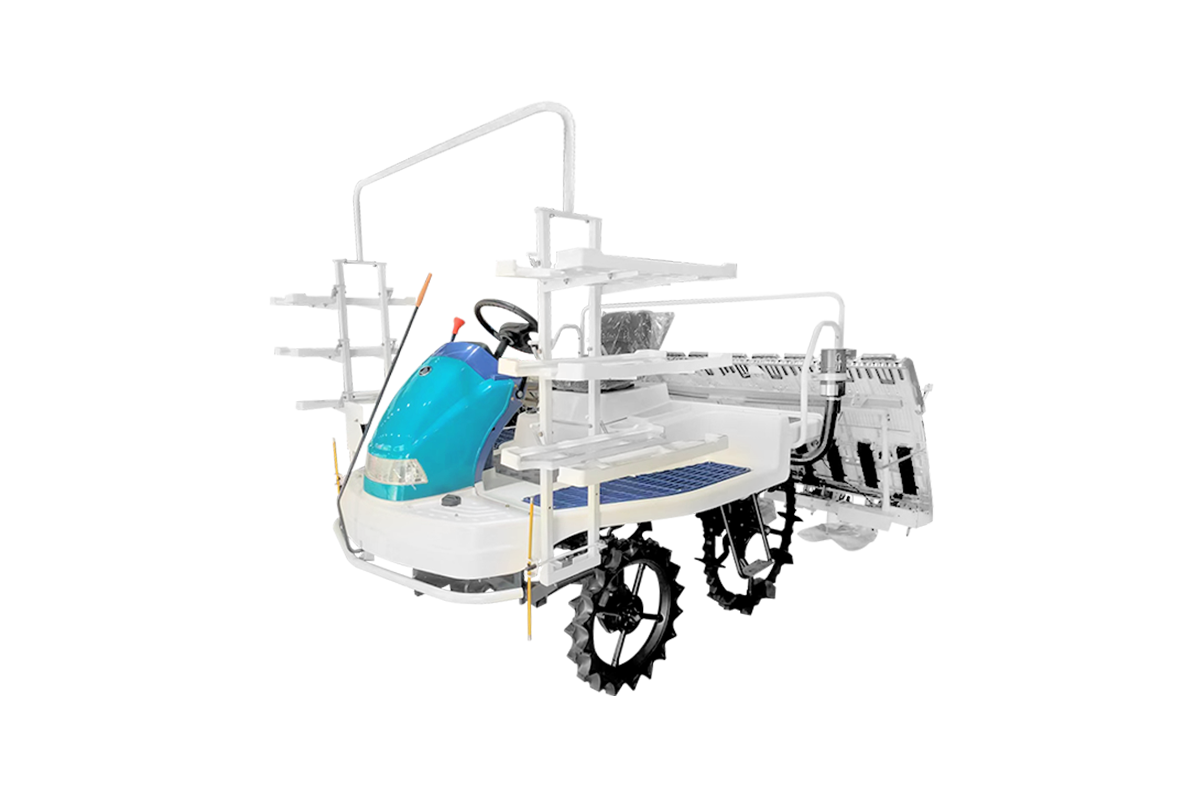
Row Rice Seeder
Places rice seed in defined rows. Regular row spacing can improve field access, mechanical weeding, fertilizer application, ventilation, and crop observation.
2026.07.06
Industry NewsRice Seed Identification and Direct Seeding Guide
Questions such as is rice a seed, is rice a seed or grain, and is rice seeds often appear when growers begin evaluating direct rice planting. The answers affect seed preparation, machine selection, seeding accuracy, germination consistency, and field management.
Rice can be described as a grain, while viable unprocessed paddy used for planting can also be classified as rice seed. Understanding the difference between food-grade rice and plantable rice seeds is essential before using direct seeding equipment.
Dry, soaked, pregerminated, or coated rice seed.
Row seeding, hill seeding, broadcast seeding, or pneumatic seeding.
Wet field, puddled field, dry field, or prepared seedbed.
Seed rate, row spacing, depth, travel speed, and delivery consistency.
The direct answer to is rice a seed depends on the condition of the rice grain. Mature paddy that retains its husk, embryo, and germination ability can be used as a seed. Polished white rice generally cannot germinate because milling may remove or damage the embryo.
Botanically, a rice kernel is a caryopsis, a dry fruit in which the fruit wall is closely joined to the seed coat. In agricultural production, paddy that meets requirements for purity, germination, moisture, and seed health is commonly called rice seed.
The search phrase is rice seeds is usually intended to ask whether rice grains can be planted. Only viable and sufficiently intact grains should be treated as rice seeds. Processed rice intended for cooking is not a reliable planting material.
The question is rice a seed or grain does not require choosing only one classification. Rice is a cereal grain by crop type. Viable paddy selected for reproduction is also a seed by function. Its processing condition and intended use determine the most accurate description.
| Comparison Point | Rice as Grain | Rice as Seed |
|---|---|---|
| Primary purpose | Food processing, cooking, or industrial use | Germination and crop establishment |
| Embryo condition | May be removed or damaged during milling | Must remain viable and undamaged |
| Required testing | Food quality, moisture, appearance, and cleanliness | Germination, purity, vigor, moisture, and seed health |
| Processing level | May be dehulled, milled, polished, or broken | Usually retained as complete paddy with controlled treatment |
| Machine compatibility | Not evaluated for seeding performance | Size and flow characteristics should match the metering unit |
| Storage objective | Maintain food quality | Maintain germination capacity and seed vigor |
Direct seeding machines place rice seeds directly into a prepared field without transplanting nursery-grown seedlings. Depending on the configuration, the machine may meter, deliver, place, cover, press, or fertilize during one field pass.
Places rice seed in defined rows. Regular row spacing can improve field access, mechanical weeding, fertilizer application, ventilation, and crop observation.
Releases a controlled group of rice seeds at each planting position. Accurate hill spacing can reduce excessive seed use and create a more regular plant population.
Distributes seed across a wider surface area. The structure can support efficient field coverage, while distribution uniformity depends on seed flow, spreading structure, and travel speed.
Uses controlled airflow to move or meter rice seeds. Pneumatic delivery can support stable distribution when the air system and seed characteristics are correctly matched.
The question Why use a rice seeder is mainly related to labor control, seeding accuracy, field consistency, and planting capacity. Manual broadcasting can vary with operator movement, hand motion, fatigue, and field surface condition. Mechanical metering creates a more repeatable planting process.
A properly adjusted rice seeder machine can regulate seed output, row spacing, working width, and placement depth. These controls help prevent excessively dense areas, empty areas, and unnecessary seed consumption.
Metering components regulate the quantity of rice seeds delivered per row or area.
Regular distribution reduces extreme differences in plant population.
Mechanized seeding reduces repetitive seed carrying and hand broadcasting.
Defined rows make later field inspection and management more convenient.
Depth-limiting structures reduce variation caused by uneven manual placement.
Multiple rows can be planted during one pass when machine width matches field conditions.
Users searching What is the use of rice seeder may be evaluating more than basic seed distribution. A rice seeder can form part of a coordinated field operation that includes seed metering, furrow opening, placement, covering, pressing, and fertilizer delivery.
The seed hopper holds prepared rice seeds and feeds them toward the metering system. Hopper shape should support stable seed movement without excessive compression.
Fluted rollers, hole plates, rotating discs, or pneumatic units regulate seed output according to the selected planting rate.
Seed tubes or delivery channels guide rice seed from the metering unit to the required placement position while limiting blockage and impact damage.
Openers, guides, or surface placement units control the location and approximate depth of seed according to wet-field or dry-field requirements.
Covering or pressing components may improve seed-to-soil contact and help maintain a more stable planting depth.
Holds rice seeds during operation. Capacity affects refill frequency, machine weight, field flotation, and operating continuity.
Controls the amount of rice seed released. The unit should match grain size, seed surface condition, and target application rate.
Transfers movement from a ground wheel, engine, or power output to the seed metering mechanism.
Guides seeds to the field. Smooth passages and suitable tube angles reduce seed accumulation and clogging.
Helps maintain suitable placement depth when the machine travels across variable field surfaces.
Support the working components and determine row number, row spacing, machine strength, and working width.
Rice seeding requirements vary according to planting area, field shape, soil condition, power source, seed condition, row number, and preferred seeding pattern.
Supplying representative rice seed samples before machine configuration helps verify seed flow, outlet size, metering consistency, and acceptable seed damage levels.
A compact manual or walking-powered rice seeder is easier to turn, transport, clean, and operate in narrow field sections.
A powered or self-propelled configuration can balance field capacity, operator control, and adaptability to wet-field conditions.
Tractor-mounted Direct seeding machines can support a wider operating width and continuous multi-row planting.
| Selection Parameter | What to Confirm | Why It Matters |
|---|---|---|
| Rice seed type | Dry, soaked, pregerminated, coated, or irregular seed | Determines the appropriate metering and delivery structure |
| Working width | Field area, field shape, turning space, and transport conditions | Affects field capacity and operating flexibility |
| Number of rows | Required row spacing and available machine power | Influences planting density and machine load |
| Seed-rate range | Target plant population, germination rate, and thousand-grain weight | Prevents insufficient or excessive seeding |
| Placement depth | Soil texture, moisture, seed condition, and field preparation | Affects emergence speed and establishment uniformity |
| Power source | Manual force, walking tractor, independent engine, or tractor PTO | Must match machine size and field resistance |
| Cleaning access | Hopper outlet, seed tubes, metering units, and fertilizer components | Reduces residue buildup and mixed-variety contamination |
Seed rate should not be estimated only by visual observation. The rice seeder machine should be calibrated before entering the field. A bench test or short-distance collection test allows the operator to measure actual seed output and compare the discharge from individual rows.
The final rate should consider germination percentage, expected field emergence, variety tillering capacity, thousand-grain weight, planting season, soil condition, and potential field losses.
Remove broken grains, straw, mud, and foreign materials.
Adjust the metering unit according to the machine guide and seed dimensions.
Rotate the drive wheel or operate the machine over a measured distance.
Compare the discharged seed weight from all outlets.
Adjust the opening, transmission ratio, metering speed, or travel speed.
Confirm that total output and row-to-row variation are acceptable.
Possible causes include wet rice seeds, excessive impurities, seed clumping, narrow passages, or bent delivery tubes.
Check:Clean the seed, reduce surface moisture, inspect the outlet, and straighten the delivery path.
Metering wear, inconsistent outlet settings, transmission misalignment, or poor hopper flow can create row-to-row differences.
Check:Collect seed from each row, inspect the metering units, and confirm synchronized movement.
Tight clearances, excessive metering speed, long sprouts, and sharp delivery transitions can damage rice seed.
Check:Increase suitable clearances, reduce speed, and use a gentler path for pregerminated seed.
Uneven field preparation, loose depth-control parts, high travel speed, or insufficient opener penetration may cause depth variation.
Check:Level the seedbed, tighten the depth system, and reduce travel speed when necessary.
Empty hopper zones, intermittent blockage, wheel slippage, or transmission interruption can stop seed delivery.
Check:Observe seed flow, confirm drive-wheel contact, and inspect chains, gears, and shafts.
Poor seed vigor, inconsistent depth, uneven moisture, excessive covering, or variable seed rate may reduce establishment uniformity.
Check:Evaluate both machine settings and field conditions rather than changing only the seed rate.
Polished white rice is generally unsuitable for planting because milling can remove the husk, bran layers, and part or all of the embryo. Viable paddy specifically selected for planting should be used instead.
No. A paddy grain may be physically complete but still have low germination, weak vigor, disease damage, excessive moisture, or varietal contamination. Seed testing is necessary.
Some machines can be adjusted for different seed conditions, but the metering clearance, outlet dimensions, seed tube design, and operating speed must be suitable for each seed type. Pregerminated seed requires particular attention to sprout damage and clumping.
Excess surface water, long sprouts, high seed temperature, residue inside the hopper, and unsuitable wall angles can reduce seed flow. Draining the seed and cleaning the hopper can improve movement.
A discharge check is recommended whenever the seed variety, moisture condition, sprout length, target rate, row setting, or metering component changes.
Remove all remaining rice seeds, clean the hopper and delivery channels, wash away mud and fertilizer residue, dry the machine, inspect moving parts, and lubricate appropriate chains, bearings, and joints.
Machine Configuration Information
Reliable rice planting depends on the compatibility between rice seeds, metering structure, working width, row arrangement, power source, field surface, and target seed rate. Providing clear application information allows the machine structure to be configured around actual planting conditions.