

 No. 1819, Renmin West Road, Cao'e Street, Shangyu District, Shaoxing City, Zhejiang Province, China

 English
 中文简体
中文简体 русский
 Español
 عربى
عربى
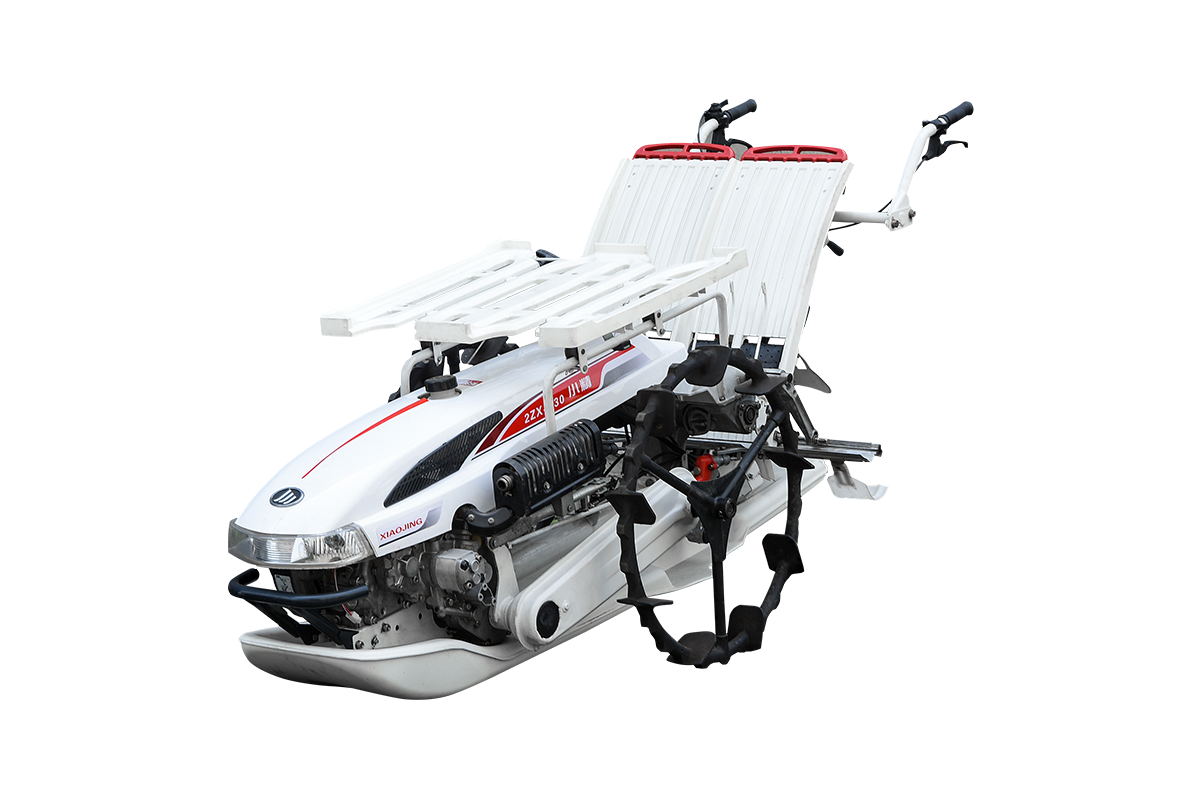
The 2ZX-230 two-row small low-fuel consumption hand-held transplanter is a high-performance machine ...

 2026.04.13
 Industry News
Vegetable Transplanter Machine work performance demonstrably experiences obvious variations accompanying seasonal changes. Such variations derive not only from climate condition modifications but additionally encompass soil characteristic, crop growth speed, air humidity and temperature multi-factor combined effects. Understanding and adapting to these seasonal changes proves essential for maximizing Vegetable Transplanter Machine efficiency and ensuring superior transplanting results.
Spring represents most vegetable transplanting critical seasons with Vegetable Transplanter Machine typically demonstrating optimal performance. Spring temperature gradually increases as soil thaws with moderate moisture content, conditions exceptionally favorable for Vegetable Transplanter Machine operations. Spring soil demonstrates superior plasticity readily accepting transplanted vegetable seedlings. Vegetable Transplanter Machine achieves highest transplanting precision and seedling survival rates during spring. Additionally, spring climate proves moderate, machine operations remain stable, failure rates prove relatively low.
Summer presents obvious operational challenges for Vegetable Transplanter Machine. Extreme heat causes soil hardening making Vegetable Transplanter Machine operations within hard soil increasingly difficult. Elevated soil temperatures potentially impose thermal stress on vegetable seedlings reducing survival rates. Simultaneously, high temperatures decrease hydraulic oil viscosity potentially affecting Vegetable Transplanter Machine precision. Summer elevated humidity conditions additionally accelerate component corrosion. Summer Vegetable Transplanter Machine utilization requires specialized cooling measures and more cautious operations.
Autumn represents Vegetable Transplanter Machine performance's second optimal period. Autumn temperature proves moderate with soil moisture content recovering to suitable levels. Many autumn vegetables including Chinese cabbage and radish transplanting achieve optimal results during this season. Vegetable Transplanter Machine autumn operational efficiency remains relatively stable with comparatively lower failure rates. Autumn climate proves relatively friendly to both machine and vegetable seedlings. However, autumn increased rainfall potentially causes waterlogged fields necessitating special Vegetable Transplanter Machine ground adaptation adjustments.
Winter represents Vegetable Transplanter Machine's most difficult operational season. Low-temperature environment causes soil freezing making Vegetable Transplanter Machine virtually incapable of normal transplanting operations within frozen soil. Increased hydraulic oil viscosity evidently reduces machine response speed and precision. In northern regions, winter potentially causes hydraulic system freezing rendering Vegetable Transplanter Machine inoperable. Additionally, winter vegetable transplanting tasks themselves prove minimal reducing Vegetable Transplanter Machine overall utilization rates.
Temperature represents the most important factor affecting Vegetable Transplanter Machine seasonal performance. Within 15-25-degree-Celsius temperature ranges, Vegetable Transplanter Machine performance achieves optimization. Below zero-degree-Celsius conditions significantly impact machine hydraulic systems and mechanical components. Above 35-degree-Celsius conditions, machine cooling systems require enhanced operation potentially causing overheating problems. Therefore, spring and autumn seasons featuring suitable temperatures establish Vegetable Transplanter Machine most stable performance.
Soil moisture content seasonal changes significantly impact Vegetable Transplanter Machine operational efficiency. Spring and autumn soil moisture typically proves most suitable for Vegetable Transplanter Machine operations, neither excessively dry nor excessively wet. Summer drought causes excessive soil hardness making Vegetable Transplanter Machine cell trays difficult to insert accurately affecting transplanting precision. Winter or extended rainy seasons cause excessive soil moisture resulting in Vegetable Transplanter Machine wheel slipping potentially becoming mired in mud.
Different season-cultivated vegetable seedlings demonstrate varying growth speeds affecting Vegetable Transplanter Machine operational difficulty. Spring-cultivated seedlings typically display vigorous growth with tender soft stems and leaves facilitating Vegetable Transplanter Machine gripping and transplanting. Summer-cultivated seedlings potentially demonstrate either excessive rapid growth or weakness due to extreme heat, both conditions affecting Vegetable Transplanter Machine gripping precision. Autumn-cultivated seedlings demonstrate relatively uniform growth suitable for Vegetable Transplanter Machine handling. Winter-cultivated seedlings display slow growth appearing comparatively weak requiring Vegetable Transplanter Machine special care operation.
Although Vegetable Transplanter Machine remains unaffected by direct light, seasonal daylight hour variations affect transplanting schedule development. Spring and autumn moderate light conditions prove beneficial for normal seedling growth. Excessive summer light potentially causes seedling over-elongation while insufficient winter light causes seedling weakness. These effects ultimately manifest as Vegetable Transplanter Machine transplanting seedling quality variations.
Different seasonal precipitation patterns significantly impact Vegetable Transplanter Machine field work scheduling. Spring moderate precipitation creates ideal Vegetable Transplanter Machine working conditions. Summer irregular precipitation potentially causes certain areas waterlogging while others suffer drought. Autumn precipitation concentrates relatively requiring Vegetable Transplanter Machine field work completion during inter-rainfall periods. Winter precipitation freezes rendering Vegetable Transplanter Machine outdoor operations impossible.
Seasonal transition periods impose special maintenance requirements on Vegetable Transplanter Machine. Spring-summer transition requires strengthened cooling system inspection. Summer-autumn transition requires accumulated dust and residue cleaning. Autumn-winter transition requires hydraulic system antifreeze treatment. Winter-spring transition requires inspection for potential hibernation-period damage.
Geographic location significantly affects Vegetable Transplanter Machine seasonal performance. Southern regions featuring small seasonal temperature variations enable Vegetable Transplanter Machine basically normal year-round operation though summer remains challenging. Northern regions experiencing severe winter conditions demonstrate extremely low Vegetable Transplanter Machine winter utilization rates with spring-autumn representing busiest periods. High-altitude regions experiencing more extreme seasonal temperature variations impose greater Vegetable Transplanter Machine performance impacts.
Adapting to seasonal changes requires appropriate Vegetable Transplanter Machine adjustments. Spring-autumn permit standard configuration usage. Summer requires enhanced cooling with adjusted transplanting depth accommodating hard soil. Winter requires greenhouse or protected environment transplanting where possible. Certain Vegetable Transplanter Machine feature seasonal adjustment functionality permitting operators adjusting primary parameters according to seasonal changes.
Accurate Vegetable Transplanter Machine seasonal performance prediction proves essential for agricultural production planning. Farmers require pre-season knowledge regarding seasonal challenges with corresponding countermeasure development. This encompasses advance machine inspection, necessary component preparation, work schedule adjustments. With advancing climate change, such prediction becomes increasingly important and complex.
 Custom Agricultural Equipment Manufacturers