

 No. 1819, Renmin West Road, Cao'e Street, Shangyu District, Shaoxing City, Zhejiang Province, China

 English
 中文简体
中文简体 русский
 Español
 عربى
عربى
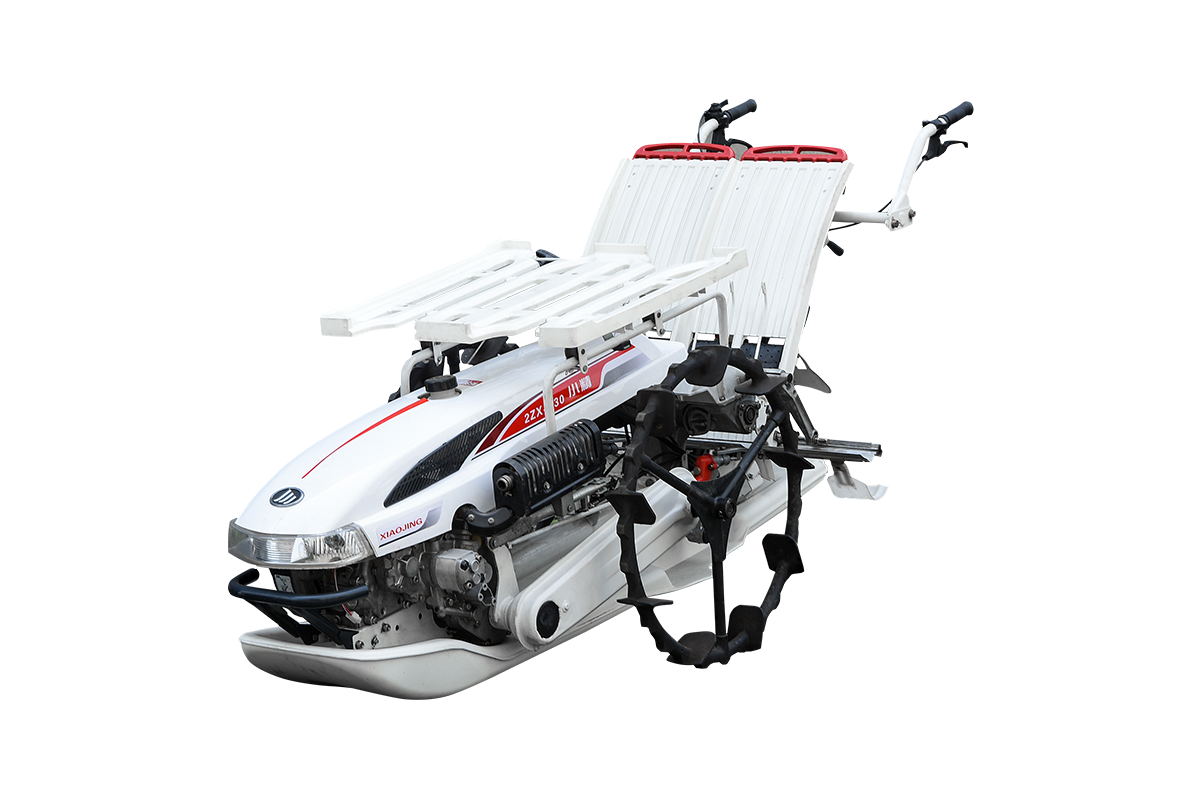
The 2ZX-230 two-row small low-fuel consumption hand-held transplanter is a high-performance machine ...

 2026.04.27
 Industry News
Vegetable transplanter machines play a crucial role in agricultural production, and their adaptability to different climate conditions is key to ensuring efficient operation. Whether in cold winters or hot summers, vegetable transplanter machines need to be equipped with features that allow them to operate efficiently under various environmental conditions. Below is a detailed analysis of how vegetable transplanter machines meet the demands of different climates.
In winter, the cold temperatures and frozen soil pose significant challenges for vegetable transplanter machines. The hydraulic systems and electrical components may fail due to freezing liquids, causing the machine to malfunction. To adapt to cold weather, transplanters are often equipped with antifreeze systems to ensure the hydraulic and electrical systems function properly.
Winter Adaptability Design Features:
1. Use antifreeze hydraulic fluids to prevent freezing in the hydraulic system.
2. Install low-temperature suitable batteries to avoid battery failure.
3. Add insulation to engines and electrical systems to prevent freezing.
4. Adjust operational speed and force to adapt to frozen soil conditions.
During the summer, high temperatures can cause overheating of the engine and hydraulic systems. To prevent malfunctions due to excessive heat, vegetable transplanter machines must be equipped with efficient cooling systems that maintain operational temperature levels.
Summer Adaptability Design Features:
1. Use powerful radiators to keep engines and hydraulic systems cool.
2. Enhance airflow to prevent internal overheating.
3. Use heat-resistant materials to reduce wear caused by high temperatures.
4. Incorporate temperature control systems to monitor machine conditions and avoid overheating.
In rainy seasons or wet environments, vegetable transplanter machines face problems with mud clogging the systems, leading to operational failures. Additionally, high humidity can cause corrosion of electrical systems. To counter these challenges, transplanters are designed with waterproof and anti-corrosion features.
Rainy Season Adaptability Design Features:
1. Implement waterproof designs to protect electrical systems from moisture.
2. Use corrosion-resistant materials to minimize rusting in wet environments.
3. Enhance tire and transmission system designs to prevent mud buildup.
4. Improve cleaning functions on conveyors and transplanting heads to prevent soil blockages.
In high-altitude regions, lower oxygen levels can reduce engine efficiency. To ensure that vegetable transplanter machines perform optimally at high altitudes, they are equipped with high-altitude specific engines and systems.
High Altitude Adaptability Design Features:
1. Use high-altitude engines to maintain performance in low-oxygen environments.
2. Adjust engine combustion systems to optimize power output in high altitudes.
3. Enhance airflow systems to keep engine temperatures within optimal ranges.
Modern vegetable transplanters are increasingly adopting intelligent and multifunctional designs. Equipped with environmental sensors, these machines automatically adjust operational parameters based on factors like soil moisture, temperature, and other environmental variables, ensuring optimal performance.
Intelligent Design Features:
1. Integrate environmental sensors to monitor and adjust parameters automatically.
2. Implement automatic fault detection systems for timely issue resolution.
3. Design for versatility, capable of working with various soil types and crops.
 Custom Agricultural Equipment Manufacturers